Can your backyard - yes, even that patchy bit behind the fence - become a haven for songbirds, butterflies, and all sorts of wiggly, wonderful creatures? What if your kids could support wildlife and learn as they play right outside your door?
Turns out, many families crave a simple, safe way to help local animals. Maybe you're tired of sterile lawns and want real nature in your daily life. Or maybe you just want to see your toddler light up as a cardinal lands for a snack.
This guide lays out easy, toddler-safe projects that transform your yard into a true backyard wildlife sanctuary. Expect real steps, fun activities, and proven habitat essentials you can begin today - no fancy tools required, promise.
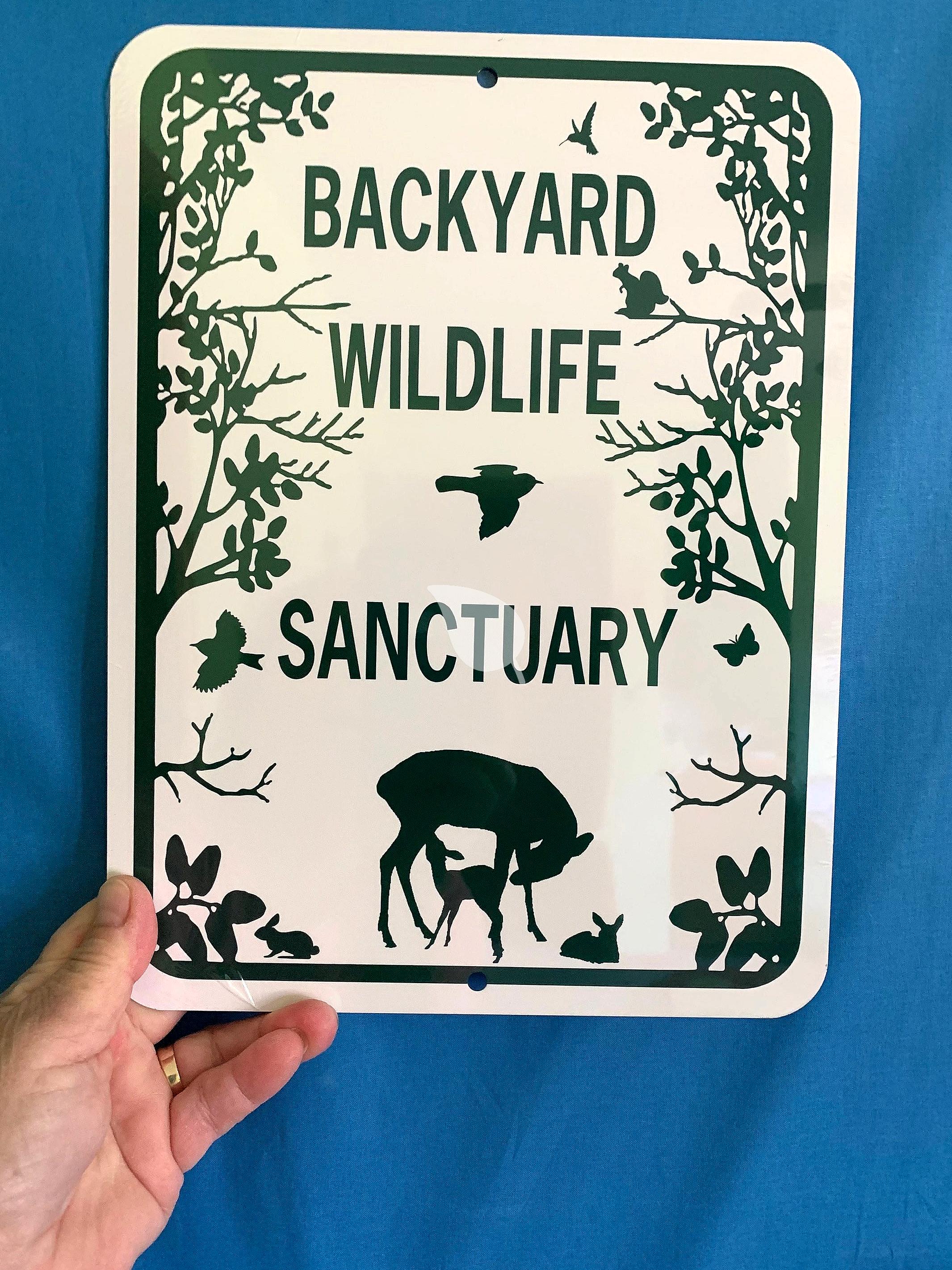
Why Create a Backyard Wildlife Sanctuary?
Picture your child catching sight of a bluebird flashing through sunbeams, or a monarch pausing to sip from a flower you both planted. That magic can happen steps from your kitchen table.
According to the Georgia Wildlife Resources Division (2024), "Even small habitat improvements can make a big difference for wildlife." That means your tiny yard, city balcony, or rented patio can become a powerful nature refuge.
This guide blends kid-friendly gardening, creative bird feeder projects, and easy insect hotels - all rooted in simple wildlife conservation. Whether you have a postage-stamp lawn or a wild corner, you’ll learn the four habitat essentials every animal needs. We’ll walk through fun, low-risk projects perfect for toddlers and cautious parents alike.
Pro Tip: Not sure which plants will thrive with little hands helping? Check out our guide to easy native plants for a kid-friendly garden.
Here’s the best part: building a backyard wildlife sanctuary isn’t just good for critters. It’s a proven, hands-on way to teach kids about science, responsibility, and the thrill of discovery.
The Four Essentials for a Backyard Habitat
To attract wildlife, your backyard needs four basic elements: food, water, shelter, and places to raise young. Think of these as the secret code to unlock animal visits, no matter your space or budget. Let’s break them down.
Food: Feeding Local Wildlife
Native plants are the foundation. When you plant local wildflowers, shrubs, or berry bushes, you offer nutritious food for birds, butterflies, and pollinators. For instance, milkweed is a magnet for monarch caterpillars, while sunflowers draw goldfinches and bees.
Want to jumpstart animal visits? Supplement with kid-friendly bird feeders or simple seed dishes. Choose safe mixes suited for regional birds. Avoid things like bread or processed snacks - these can harm animals.
Expert Insight: “Native plants provide the best nutrition for wildlife.” - Georgia Wildlife Resources Division
Water: Creating Safe Drinking Spots
All animals - birds, frogs, butterflies - need a clean drink. Use a shallow birdbath or a sturdy dish with a few stones inside for safe footing. Change water every two days. This keeps it fresh, especially in summer, and prevents mosquitoes.
Place water near a shelter but in the open so animals can spot danger. For a fun twist, have your toddler help fill the dish. It’s a splashy, safe activity!
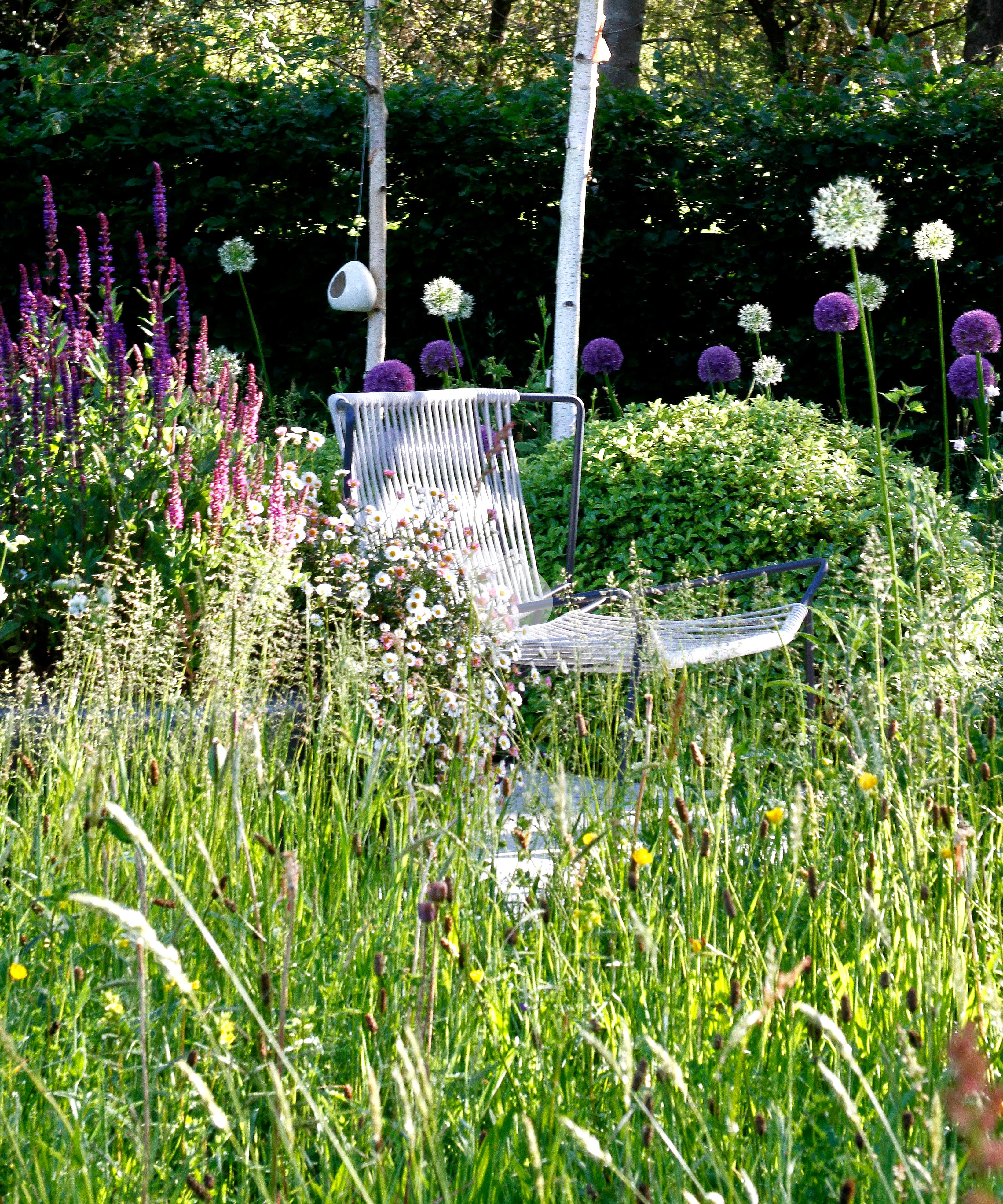
Shelter: Providing Safe Cover
Wildlife needs places to hide from weather and predators. Leave a small brush pile, a log, or even dead wood in a tucked-away corner. These become mini-shelters for birds, toads, and insects.
Toddlers love to help gather sticks or stack pine cones. You can also build a quick insect hotel with bamboo pieces, cardboard tubes, and string. Supervise closely - no sharp tools needed for the basics.
STAT: Leaving dead wood, logs, and brush piles can provide shelter and nesting sites for many species (Georgia Wildlife Resources Division, 2024).
Places to Raise Young: Supporting Wildlife Families
It’s not enough just to invite visitors. You want them to feel safe enough to start families! The easiest way? Grow native plants that serve as host species for caterpillars or amphibians. Milkweed for monarchs, violets for fritillary butterflies - the options are endless.
Leave a bit of leaf litter or undisturbed soil for frogs and bees to nest. Avoid pesticides or weed killers. Encourage your kids to quietly watch for egg-laying or baby birds hatching - nature’s own reality show.
Pull Quote: “The wildlife needs food, water, cover or shelter, and a place to raise their young.” - Gardener Scott, garden educator
Transition: Now that you know the essentials, let’s dive into a hands-on project toddlers can truly help with.
Callout: Tip: Choose native plants suitable for your region! A family in Atlanta planted wildflowers and saw butterflies arrive within two weeks.
For more creative feeder inspiration, check our simple bird feeder ideas.
Step 1: Start with One Safe, Easy Project
Starting small is not just okay - it’s smart. Begin your sanctuary journey with a project toddlers can join, keeping things safe, simple, and fun.
Choosing Toddler-Friendly Projects
Pick activities with minimal or no tools. Prebuilt wooden planters, ready-to-fill seed feeders, or store-bought birdhouses are perfect. Supervise at every step, but let kids get creative by decorating feeders with stickers or safe paint.
There’s no need for saws or hammers - just imagination and a willingness to get your hands a little dirty. Even toddlers can scoop dirt, sprinkle seeds, or hang a feeder with help.
Simple Bird Feeders and Seed Dishes
Fill your feeder with a birdseed mix for local species (ask a garden store or check online for your region). Hang it where your child can watch from a safe distance, such as just outside a window or on a sturdy branch.
Explain how feeders help birds, especially in city areas where food can be hard to find. Make it a routine: refill together and note which birds visit. It’s science class, snack time, and story hour all rolled into one.
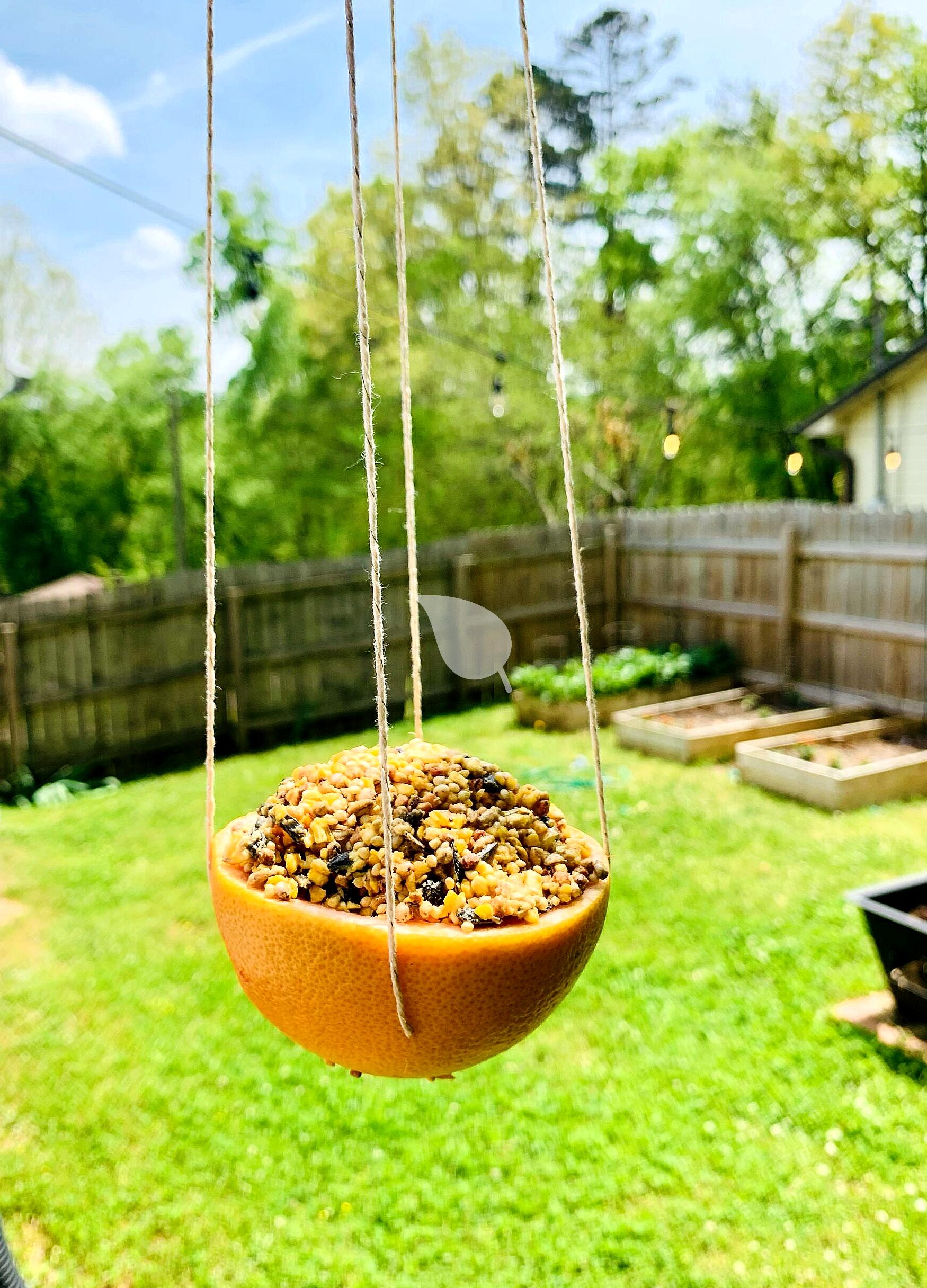
Real Example: A family in New Jersey let their toddler sprinkle seeds into a hanging feeder. Within days, chickadees and sparrows arrived. Mealtimes became “birdwatching time” at their kitchen table.
Safety Tip: Use only non-toxic, smooth-edged feeders. Parents found that letting kids decorate feeders boosted their enthusiasm for daily wildlife care.
Transition: With your first project set up, you’re ready to really boost your backyard habitat’s value by adding some native plants.
Step 2: Add Native Plants and Flowers
A diverse native garden is the ultimate upgrade for your backyard wildlife sanctuary. It’s the difference between occasional visitors and a bustling nature show.
Benefits of Native Plants
Native plants offer precisely what local wildlife needs - nutritional seeds, nectar, and safe shelter. They’re adapted to your climate, so they need less water, fertilizer, and fuss than exotic ornamentals. Plus, they attract pollinators like bees, butterflies, and even hummingbirds.
Think of your garden as a buffet. The more you plant for different seasons, the more animals you’ll support year-round.
Choosing Plants for Small Spaces
Don’t have a big yard? No problem. Use containers or window boxes - perfect for balconies and patios. Select native species that bloom at different times: spring (wild columbine), summer (milkweed), fall (goldenrod).
Involve your kids in the planting and watering. Give them their own little watering can or let them press seeds into the soil. Toddlers love having “their” plants to check every morning.
Real Example: A family with only a 6x4 foot balcony planted coneflowers and milkweed in pots. By midsummer, butterflies and even a hummingbird stopped by.
Expert Quote: “Native plants provide the best nutrition for wildlife.” - Georgia Wildlife Resources Division
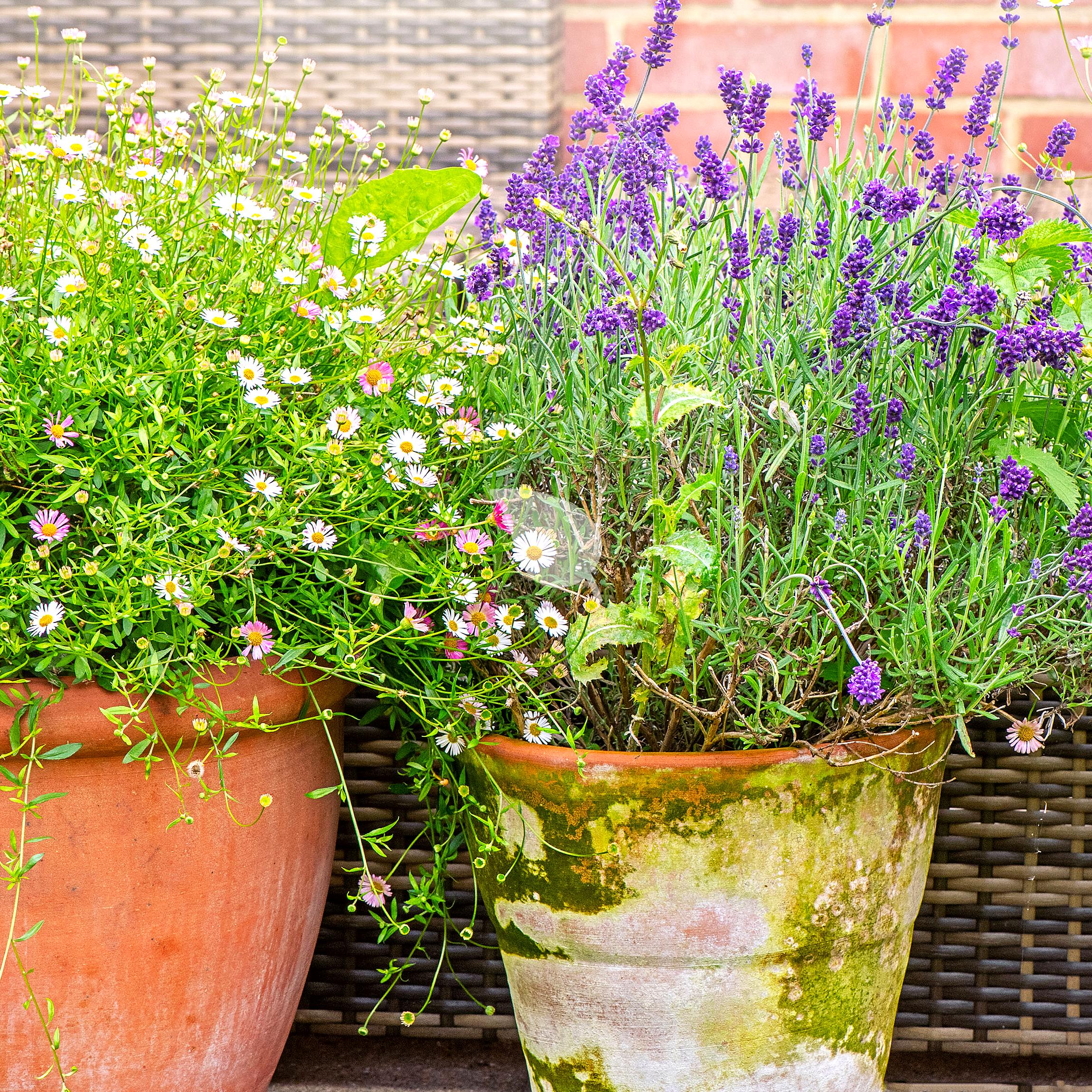
Tip: Use a layer of mulch to keep soil moist and reduce how often you water. After adding mulch, one family saw their bee visitors increase - probably because the flowers stayed healthy through hot spells.
For more pollinator inspiration, see how to build a pollinator-friendly garden.
Transition: With food and flowers blooming, let’s add water and shelter to support even more wildlife.
Step 3: Add Water and Shelter Features
Water and shelter are like rolling out a red carpet for backyard guests. Add these, and you’ll see more variety and longer visits.
Creating Safe Water Sources
A shallow birdbath or sturdy dish filled with fresh water is a magnet for thirsty birds, butterflies, and even bees. Place a few stones so small creatures can drink without danger. Clean and refill every two days to keep water fresh and mosquito-free.
Set water stations near shelter - like under a shrub or next to a brush pile - but in a spot where animals can see approaching threats. For apartments, a bowl with pebbles on a balcony railing works wonders.
Example: One family placed a stone-lined bowl on a tree stump. Every afternoon, robins and goldfinches dropped in for a dip.
Building Simple Wildlife Shelters
Shelters can be surprisingly simple. Stack sticks and leaves for a brush pile in a corner. Lean a log for a toad house. Or help your child bundle twigs, pine cones, and bamboo tubes together for a quick insect hotel - no nails needed.
Encourage kids to collect materials from yard cleanups. Talk about what animals might use their creations: will it be a home for mason bees, a hideout for toads, or a nesting spot for ladybugs?
STAT: “Leaving dead wood, logs, and brush piles can provide shelter and nesting sites for many species.” - Georgia Wildlife Resources Division
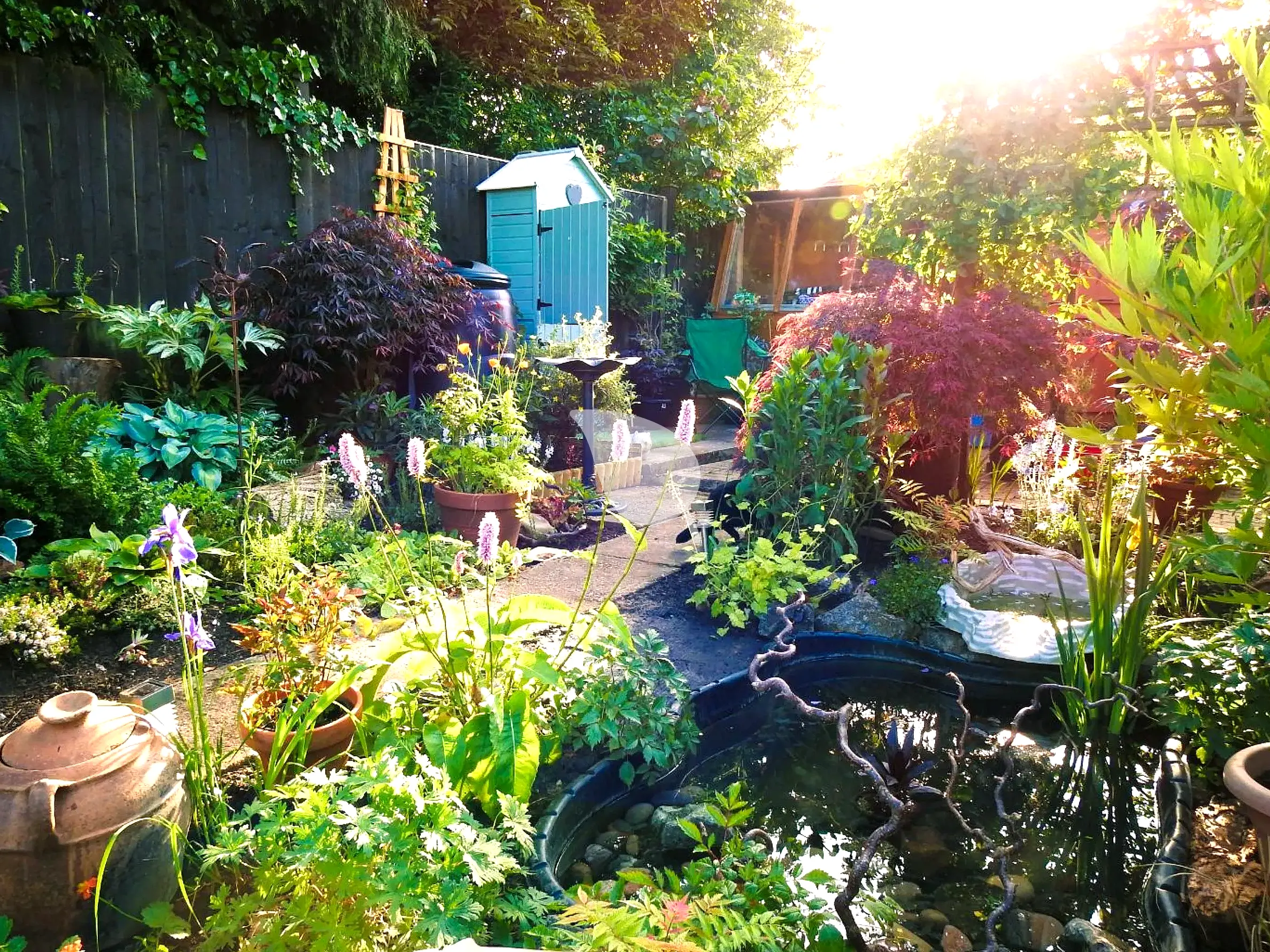
Warning: Never use pesticides or harsh chemicals near wildlife water or shelter areas. One family ditched chemical lawn care and saw a quick uptick in frog and butterfly guests.
Transition: Your sanctuary’s looking wild! But to keep it safe for both kids and animals, let’s cover some must-know safety tips.
Step 4: Make It Safe for Kids and Wildlife
Safety and upkeep matter just as much as food and flowers. A healthy backyard wildlife sanctuary is good for your children - and its wild visitors.
Avoiding Hazards
• Skip pesticides and chemical sprays. They harm beneficial bugs and can sicken wildlife. Instead, let birds and ladybugs eat pests naturally.
• Use non-toxic, smooth-edged materials for projects. Check feeders for sharp corners or peeling paint.
• Supervise all toddler activities outdoors. Make “nature time” a family routine, not solo play.
Pull Quote: "The easiest way to manage your property for wildlife is to not manage it at all." - Teatown Environmental Educators
Maintenance Tips
• Clean birdbaths and feeders every week. Use hot water and mild soap, then rinse thoroughly.
• Remove spoiled food or moldy seeds. They attract pests and can make birds sick.
• Check shelters for signs of unwanted pests or fungus. Brush out or rebuild as needed.
Example: A family in Colorado switched to a pesticide-free yard. Within a month, their garden attracted more butterflies and a surprise visit from a woodpecker.
Tip: Always use gloves when cleaning feeders or digging in the dirt. Practice hand-washing after outdoor play to keep everyone healthy.
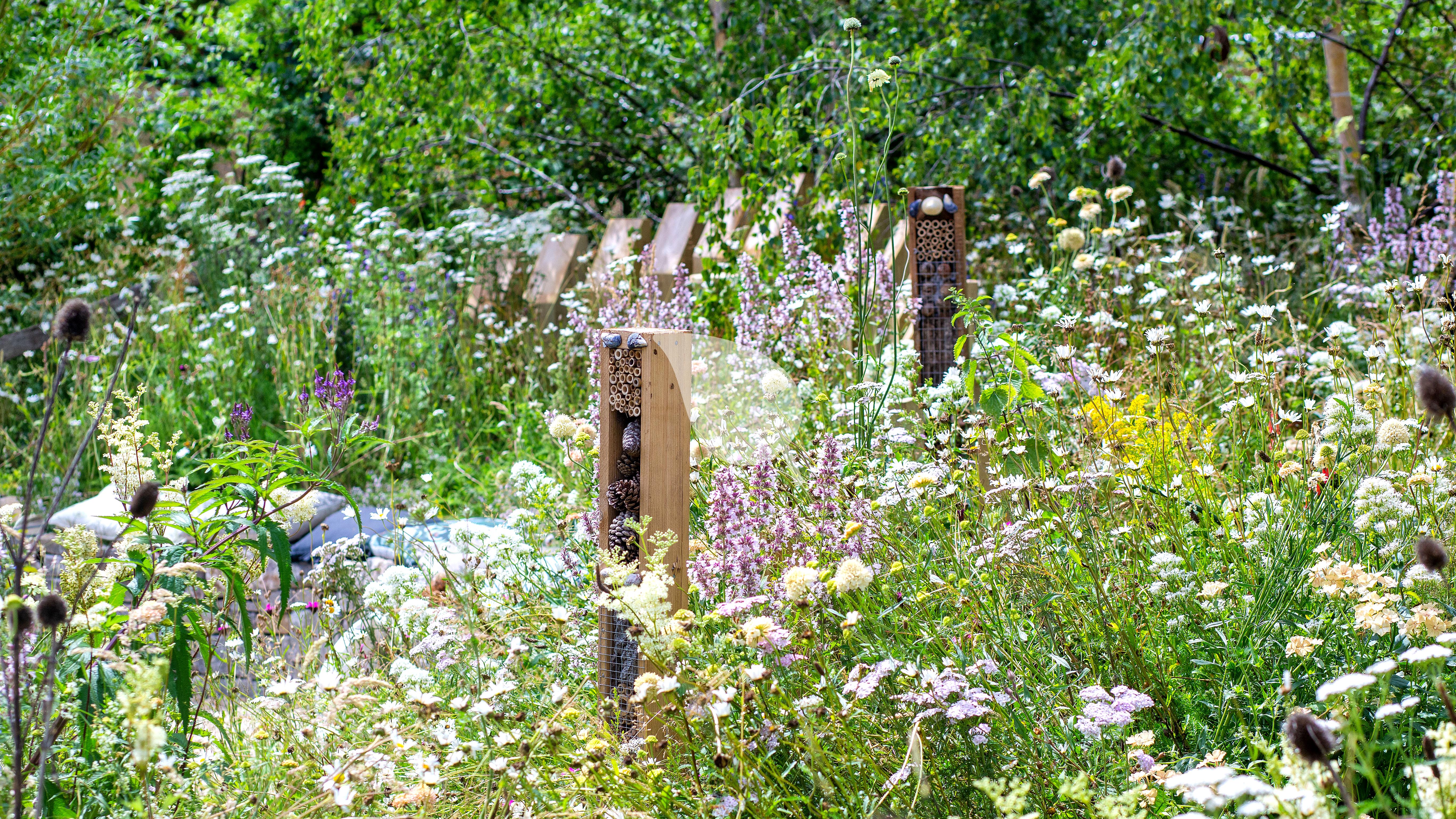
Transition: With a safe, thriving habitat underway, let’s turn your backyard into an outdoor classroom packed with adventure.
Step 5: Watch, Record, and Celebrate Wildlife Visits
Building your backyard wildlife sanctuary is just the beginning. Now, the real fun kicks in - watching, discovering, and celebrating every new animal that pops in!
-
Create an Observation Station
Set up a comfy spot with a bench or blanket where kids can watch for birds, butterflies, or bees. Add a cheap pair of binoculars, a magnifying glass, and some field guides. Encourage gentle, curious observation - no chasing allowed!
Example: One family created a "nature nook" with a journal. Each day, their child drew pictures of birds seen at the feeder.
-
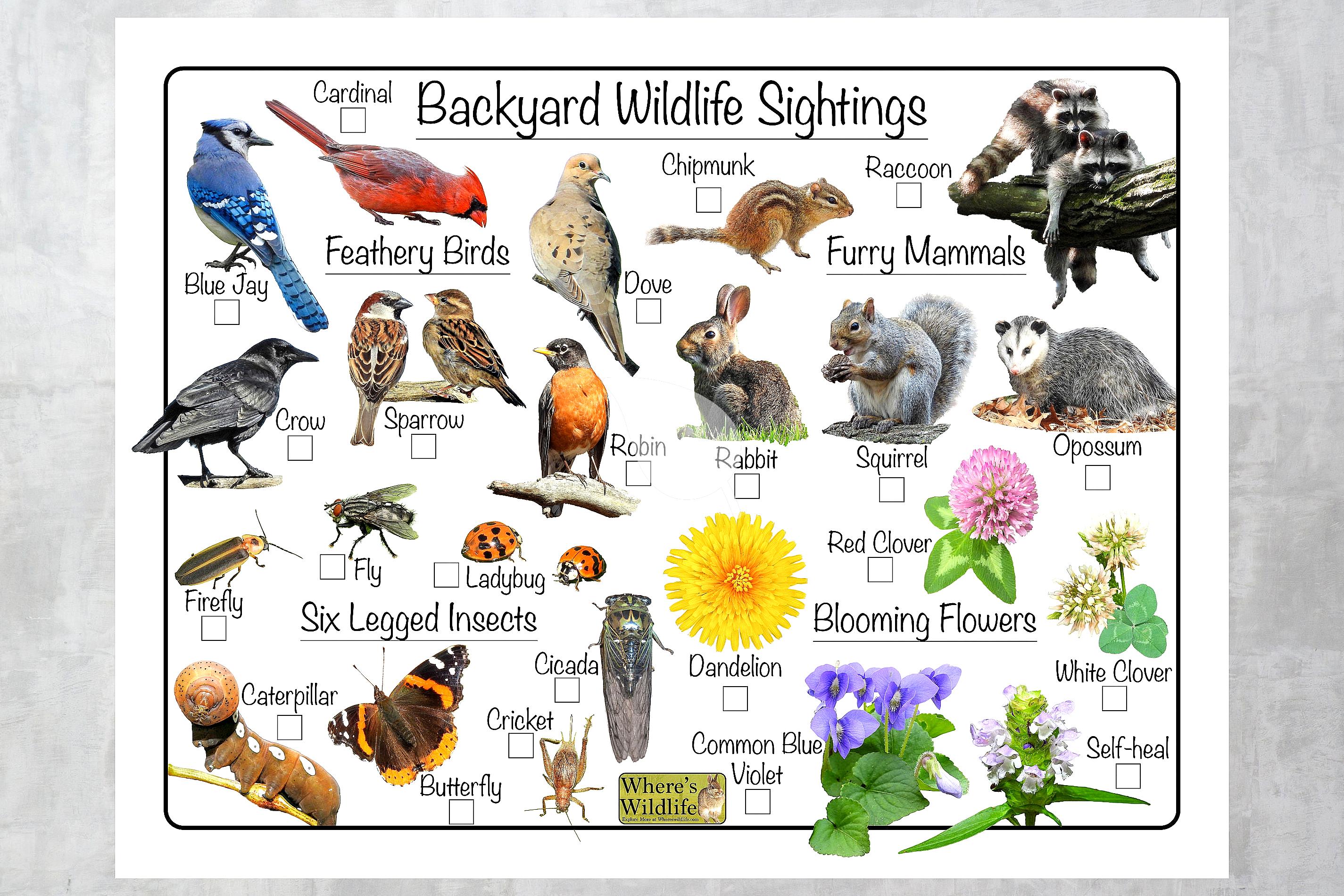
Use a Printable Wildlife Checklist
Download or make a chart listing local birds, butterflies, and pollinators. Let kids check off new sightings - treat each new visitor like a minor holiday.
Example: Two siblings competed to spot the first monarch butterfly of summer. The winner got to choose the next flower to plant!
-
Organize a Backyard Scavenger Hunt
Make a list of animals, insects, and plants to find together. Use it for family outdoor time, helping little ones learn to look closely and respect wild creatures.
Example: A spring scavenger hunt had toddlers searching for native wildflowers, snail shells, and feathers - every find sparked a moment of joy.
Mistakes to Avoid When Building Your Sanctuary
You’re bound to stumble (nature’s messy that way), but here are common pitfalls and how to dodge them:
-
Over-cleaning feeders and shelters: Too much scrubbing removes helpful microbes and disturbs wildlife. Clean feeders weekly, but leave brush piles mostly alone.
-
Using non-native or invasive plants: These can outcompete local plants and provide poor wildlife nutrition. Always pick regionally native species for both food and shelter.
-
Placing feeders too close to windows or dense bushes: This increases the risk of bird collisions or ambush by cats. Position feeders with clear flight paths and natural cover nearby for safety.
-
Relying on human food scraps: Crumbs and leftovers attract pests and can hurt wildlife. Stick with appropriate seed mixes and native plantings instead.
Helpful Tools and Resources
-
Printable Toddler Wildlife Checklist: Fun for tracking which birds, bugs, and butterflies visit - turns every sighting into a proud achievement!
-
Native Plant Finder Tool: Enter your zip code to discover which native plants will thrive in your yard and help the most local species.
-
DIY Bird Feeder Plans: Step-by-step guides for safe, easy-to-make feeders (no sharp tools required).
-
Backyard Habitat Certification Program: Certify your sanctuary with a trusted wildlife group - motivation for the whole family and a source of pride for kids.
Family-Friendly Backyard Sanctuary Examples
Small Yard Pollinator Garden
A family in Dallas turned a 4x4 patio corner into a container garden bursting with native wildflowers. Within two weeks, they counted five types of bees, three butterfly species, and a daily hummingbird.
Toddler Safe Bird Feeder Project
Parents and their two-year-old assembled a simple, prebuilt bird feeder. They decorated it with stickers and safe paint, then hung it outside the kitchen. The toddler checked on "their birds" each morning and quickly learned the names of regular visitors.
Brush Pile Shelter Creation
In upstate New York, a family gathered downed branches and leaves after a storm. They built a brush pile in the back corner. Not only did birds visit, but soon, frogs and toads found the hidden shelter too, adding to the backyard chorus at night.
Frequently Asked Questions
How do you make a backyard wildlife sanctuary for kids?
To create a backyard wildlife sanctuary for kids, provide four essentials: food (native plants, seed feeders), water (shallow birdbaths), shelter (brush piles, bug hotels), and safe spaces to raise young (host plants, undisturbed soil). Choose toddler-friendly projects like hanging ready bird feeders, planting native flowers, or building simple insect hotels with supervision. Always involve your child in safe, hands-on activities and supervise closely.
What plants attract birds and butterflies in a backyard?
Native plants are best for attracting birds and butterflies. Milkweed supports monarchs, coneflowers draw bees and finches, and native wildflowers feed many pollinators. Plant a mix that blooms across spring, summer, and fall for year-round support.
What is the easiest wildlife habitat project for beginners?
Start with a simple bird or seed feeder. Choose a prebuilt or no-tool option for safety, and let children help fill or decorate it. This easy step brings instant wildlife visitors and gets kids excited about nature.
Do bird feeders help wildlife?
Yes - bird feeders supplement natural food, especially in tough seasons. They attract birds for observation and learning. Just avoid overfilling and never use bread or processed food.
How can I make my yard wildlife-friendly without a big budget?
Use recycled materials for shelters and feeders (sticks, cardboard tubes, stones). Plant low-cost native species adapted to your area. Even small brush piles and containers add value - no need for expensive landscaping.
Is it safe for toddlers to help build a bug hotel or birdhouse?
Yes, with supervision and age-appropriate tasks. Use prebuilt kits or avoid tools for little ones. Let toddlers help gather materials, plant flowers, decorate houses, and observe who moves in.
Start Your Backyard Wildlife Sanctuary Today
Building a backyard wildlife sanctuary is a gift to your family and your local ecosystem. Every bird, bee, and butterfly you help supports real wildlife conservation and brings daily wonder to your doorstep.
You don’t need a sprawling yard or a green thumb. Start small with safe, engaging projects - like a toddler-friendly bird feeder or a pot of native wildflowers. With every new plant or water bowl, your yard becomes a better home for nature.
Celebrate each creature that visits. Keep watching, recording, and learning together. Your child will grow up with a sense of stewardship and awe for the wild world right outside.
Ready to get started? Download the toddler wildlife checklist and make your backyard wildlife sanctuary a reality today.
Want more ideas for outdoor fun? Check out more toddler nature activities for your next backyard adventure!
Tags
Join Our Mission
Support our conservation efforts and make a difference today.