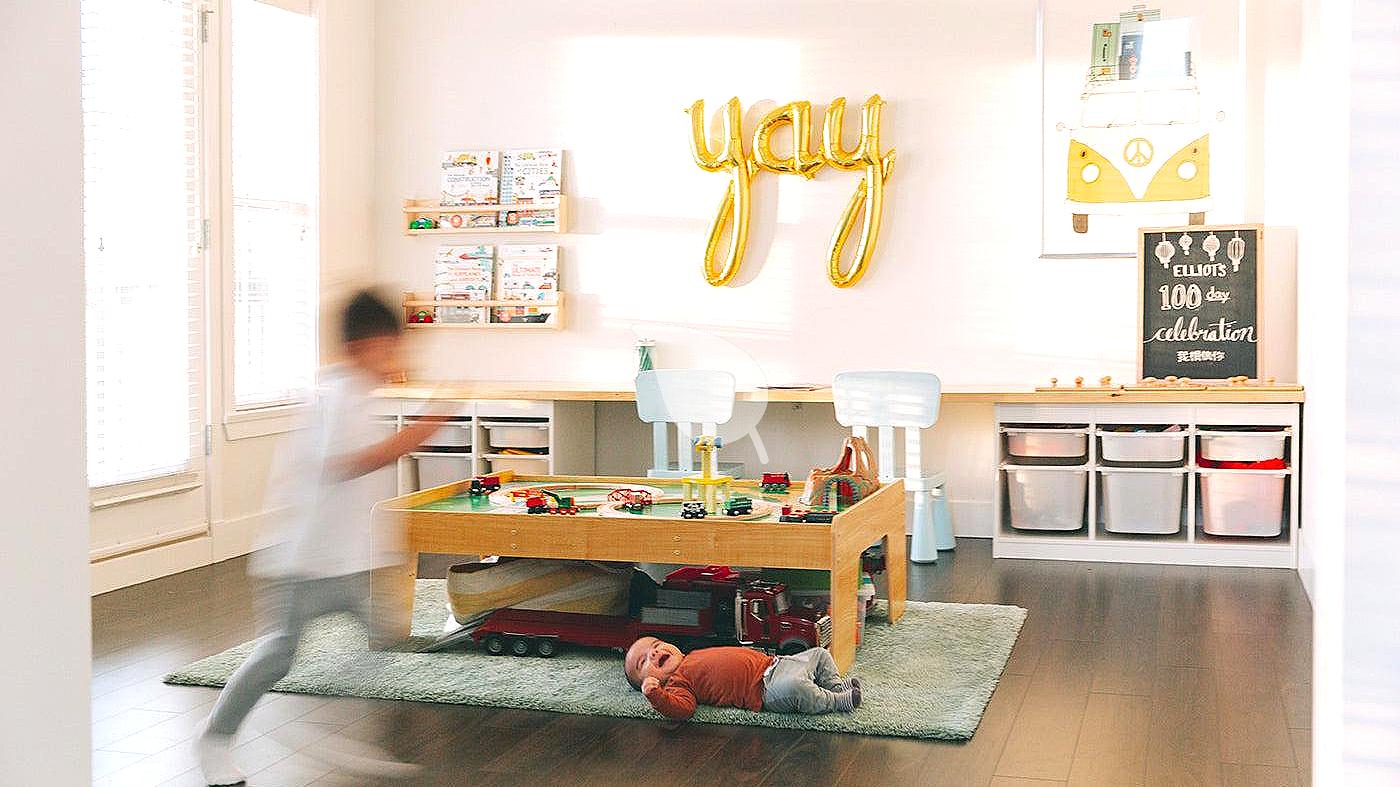
Picture this: your living room isn’t a minefield of noisy plastic toys anymore. Instead, it's filled with laughter, curiosity, and bursts of creativity as your toddler invents new worlds with just a handful of simple, beautiful toys. Does that sound like a dream? For many parents, toy clutter is overwhelming - not to mention the constant battle with screens. But what if you could swap out the chaotic pile for just 10 unique handmade toys for toddlers that truly engage and inspire?
What if fewer toys actually meant more imaginative play? In this guide, you’ll find a handpicked list of eco-friendly, open-ended, and absolutely original handmade toys proven to nurture your child’s creativity and development. Ready to reclaim your space and see your toddler’s imagination soar?
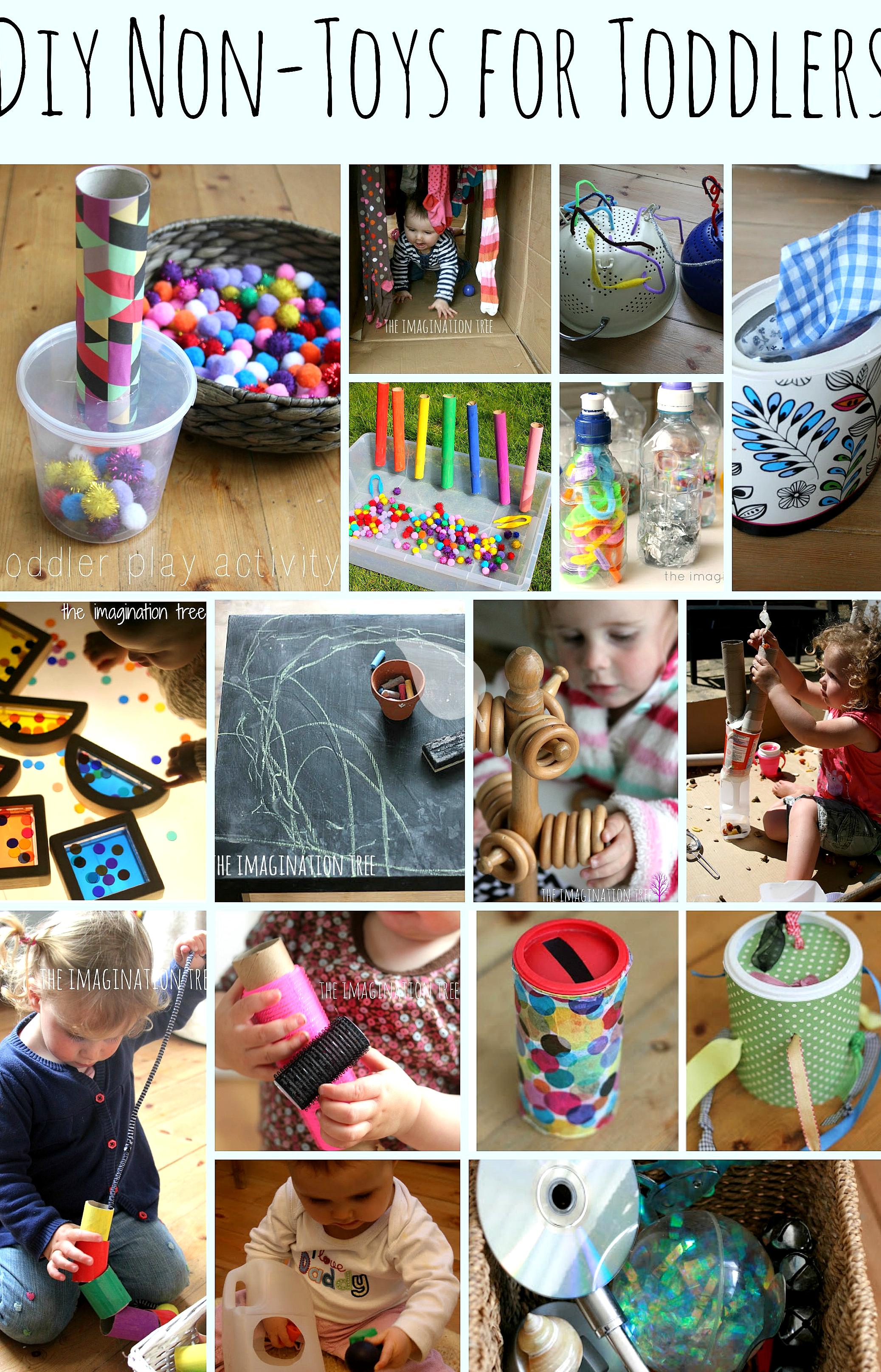
Why Handmade Toys Are Magical for Toddler Imagination
Ever noticed how a toddler surrounded by a mountain of flashy plastic toys somehow ends up playing with a cardboard box? It’s not just you! There’s a reason for that. Research from the Raising Children Network found that “simple, everyday and homemade play activities support toddlers’ fine and gross motor skills, creativity and problem-solving when used regularly in daily routines.”
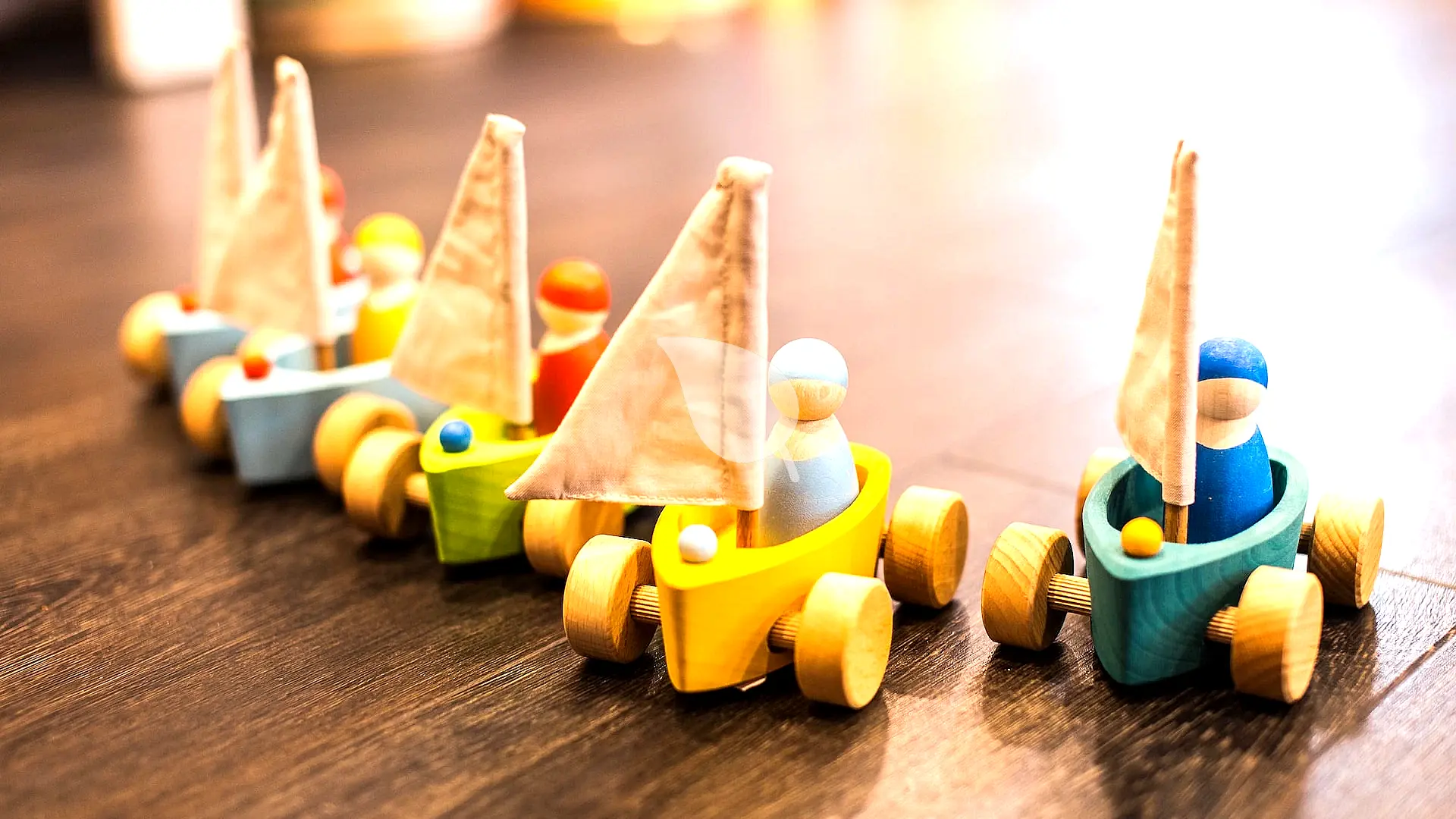
Handmade toys for toddlers stand out because they invite open-ended, screen-free play rather than just passive entertainment. They’re designed for curious little hands and big imaginations - no batteries or blinking lights required. When playthings are crafted from natural, non-toxic materials, you’re not just bringing beauty into your home; you’re also choosing eco-friendly toddler toys that are safe for both your child and the planet.
Unlike mass-produced toys that often break or get ignored after a few days, unique handmade toys tend to become favorites - loved for their textures, weight, and the stories they inspire. This isn’t about ditching all store-bought toys, but about consciously choosing playthings that spark joy, creativity, and connection (for both you and your child).
In this post, you’ll get:
- A curated list of 10 remarkable handmade toys for toddlers - each with a clear developmental benefit
- 2 easy DIY ideas to make your own creative toys at home
- Practical tips for choosing safe, eco-friendly options
- Imaginative play prompts and storage tips to make every toy count
For more about choosing safe and sustainable toys, check out our guide to eco-friendly toddler toys.
10 Unique Handmade Toys for Toddlers
Let’s cut through the noise! Here’s a quick list of our top 10 handmade toys for toddlers - each one selected for its ability to spark imagination, support skill development, and stand the test of time:
- Wooden Animal Puzzle
- Organic Cotton Doll
- Wool Felt Play Food Set
- Handwoven Rattan Ball
- Upcycled Fabric Stacking Rings
- Natural Rubber Teething Toy
- Wooden Building Blocks Set
- Handcrafted Puppet Set
- Recycled Paper Sensory Book
- DIY Treasure Box Kit
Top 10 Curated Handmade Toys
Let’s dig deeper into why each of these unique handmade toys deserves a special place in your toddler’s play space.
Wooden Animal Puzzle
This beautifully crafted puzzle uses FSC-certified wood and non-toxic finishes so you can feel safe about what’s in your child’s hands. As your toddler fits each animal into its matching slot, they’re developing problem-solving skills, fine motor control, and a sense of accomplishment. The tactile experience of smooth, solid wood makes every play session satisfying. Place this puzzle on the floor and watch as your child explores - sometimes they’ll name animal sounds, other times they’ll invent a whole zoo.
For example: Last week, my own 2-year-old spent nearly 30 minutes placing and re-placing the giraffe, practicing patience and cheering when it finally clicked into place. That’s long-term engagement you rarely see with flashy toys.
Expert Insight:
"Play experts note open-ended toys support long-term engagement." - Days With Grey
Organic Cotton Doll
Soft, snuggly, and stitched with love, these dolls quickly become companions for naps, adventures, and make-believe. Handmade from certified organic cotton, they’re safe for cuddling and teething. Dolls encourage nurturing play, expand your toddler’s vocabulary (think: “night-night,” “shh, baby”), and foster empathy as your child imitates caregiving routines.
Real-world scenario: Picture your child tucking their cotton doll in for bed, singing a made-up lullaby. Later, the doll becomes a superhero or a guest at a pretend picnic. One toy - endless identities!
Pull Quote:
"Simple, homemade toys can be just as fun and stimulating as expensive toys." - Raising Children Network editors
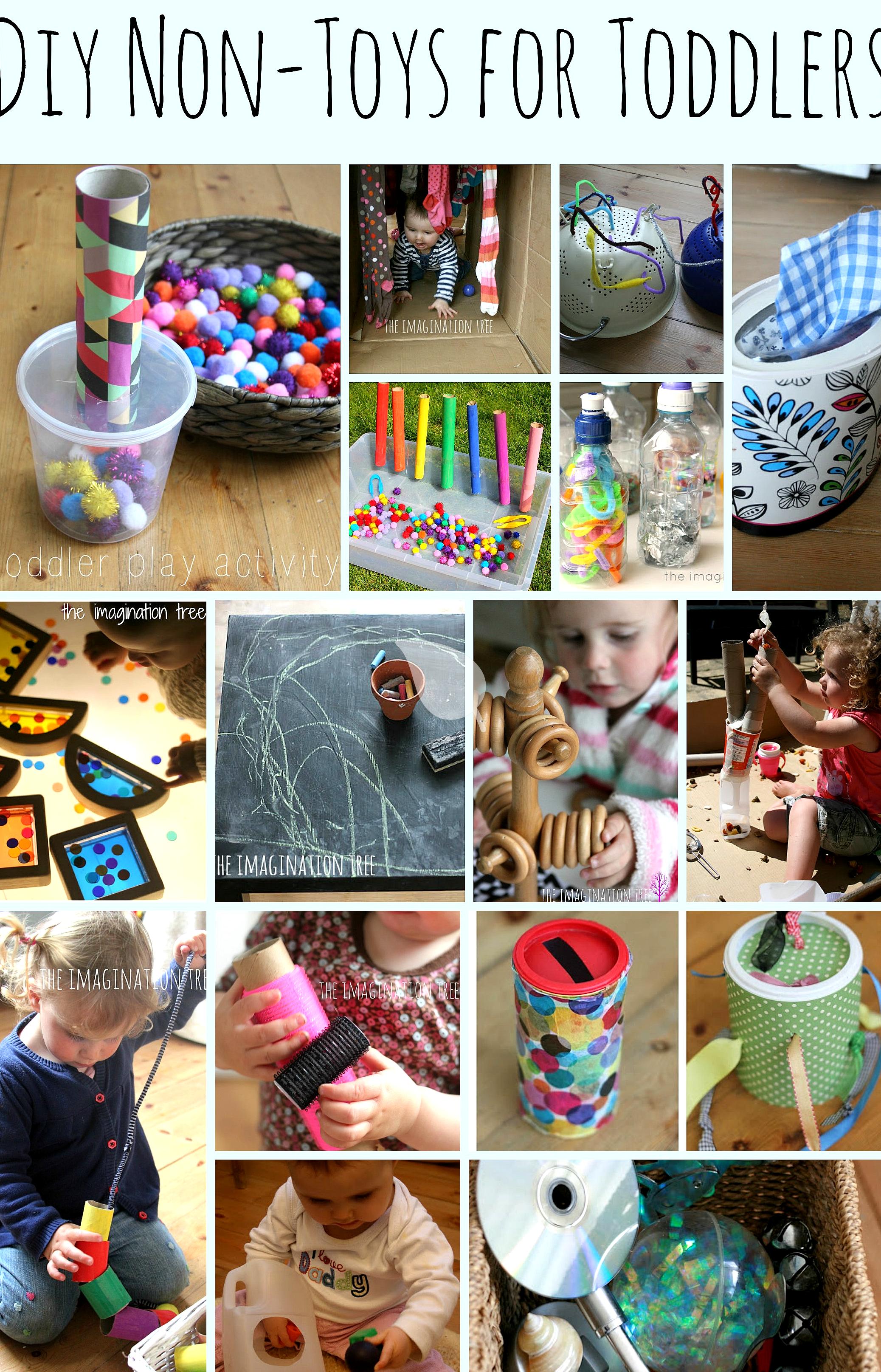
Wool Felt Play Food Set
Pretend meals are a toddler favorite! These soft, wool felt foods - think fruit slices, little loaves of bread, or eggs - invite sensory exploration and imaginative cooking. Bright colors and varied textures engage touch and sight, while role-playing mealtimes builds social and language skills.
Imaginative prompt: Today’s ‘restaurant’ could be a blanket fort in the living room. Your toddler takes your order (with lots of giggles) and serves up a felt feast. Tomorrow, those same pieces turn into “market groceries.”
Handwoven Rattan Ball
Lightweight, durable, and oh-so-satisfying to grasp, a handwoven rattan ball is perfect for rolling, tossing, or gentle kicks. Its natural texture invites toddlers to explore with their hands and feet, building gross motor skills and boosting coordination.
Use case: Indoors, try rolling the ball between two laundry baskets for a homemade bowling game. Outdoors, it becomes the centerpiece for a backyard obstacle course.
Upcycled Fabric Stacking Rings
Bright, soft, and eco-conscious, these stacking rings - crafted from upcycled fabrics - help hone hand-eye coordination and color recognition. Unlike stiff plastic versions, fabric rings are gentle on little fingers and easy to squeeze or toss.
Development snapshot: At 12 months, your child might simply chew or squeeze the rings. By 18 months, they’re stacking and unstacking, experimenting with patterns. At 3 years old, the rings become crowns, bracelets, or even silly hats for pretend play.
Natural Rubber Teething Toy
Ideal for soothing sore gums, natural rubber teething toys are safe for mouthing and simple to clean. Their slightly bouncy texture and fun shapes support oral motor development while giving you peace of mind about what your toddler is chewing.
Imaginative idea: Attach the teether to a string and suddenly it’s a pretend fishing rod. The next day, it’s a magic wand. Versatility at its best!
Wooden Building Blocks Set
Classic doesn’t mean boring! A set of handmade, non-toxic wooden blocks is perhaps the ultimate open-ended toy. Toddlers can build towers, garages, bridges, or castles - transforming the same set in countless ways. These blocks foster creativity, spatial reasoning, and fine motor precision.
Example: One parent shared that their child used blocks for everything - lining them up as a train, stacking high for a tower, and even pretending they were birthday candles. The possibilities never run out.
Handcrafted Puppet Set
Puppets made from soft felt or fabric are a proven springboard for storytelling, imaginative role play, and language growth. Choose animals, people, or fantasy characters - each puppet is a new friend ready for adventure.
Play tip: Set up a simple puppet show after dinner, then let your toddler take over. Watch as they invent dialogues, voices, and mini-dramas - boosting confidence and communication.
Recycled Paper Sensory Book
Unlike mass-market board books, these handmade tactile books use recycled paper, fabric scraps, and safe glue to create an interactive sensory experience. Different textures and flaps encourage curiosity, fine motor skills, and early literacy.
Imaginative scenario: Each page could contain a riddle, a hidden pocket, or a mirror. Reading time morphs into a treasure hunt, with your child leading the way.
DIY Treasure Box Kit
Grab a small cardboard box, decorate it with your toddler, and fill it with safe ‘treasures’ from around the house (scarves, wooden spoons, ribbons, pinecones). You’ve just created a custom toy that encourages sorting, dumping, and imaginative play. Plus, you can swap the contents anytime for endless novelty.
Real-life result: Parents report their toddlers happily opening, closing, and exploring treasure boxes for ages, inventing mini-stories about what’s inside. It’s recycling, creativity, and sensory play all rolled into one.
Pro Tip:
Choose toys that grow with your child for lasting value. Parents repeatedly notice toddlers engaging longer with versatile handmade toys compared to flashy plastic ones that lose their appeal quickly.
See also: eco-friendly toddler toys for more on materials and safety.
DIY Corner: Simple Handmade Toy Ideas You Can Make Today
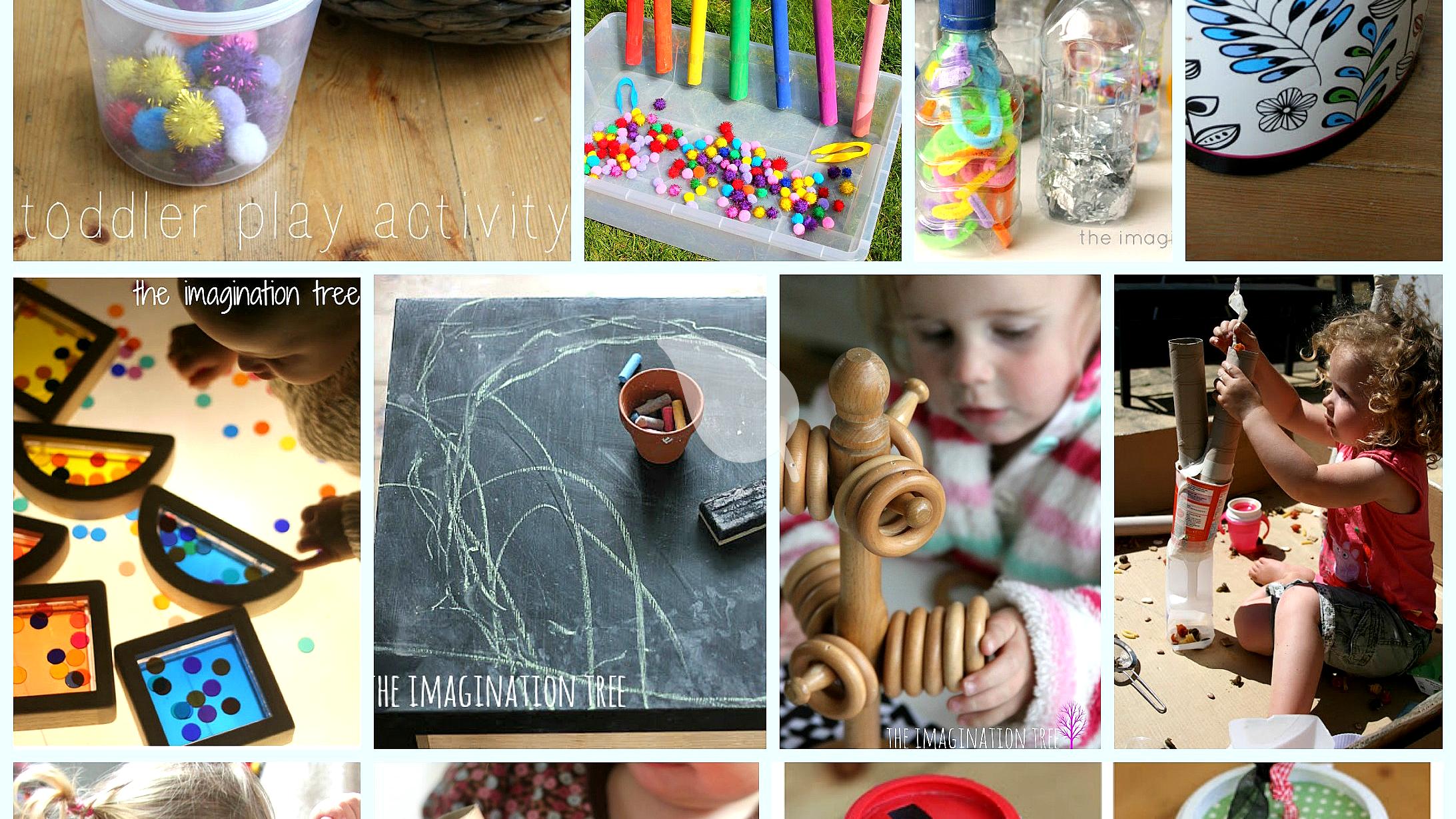
Let’s be honest - not every family can splurge on artisan toys. Thankfully, you don’t need a big budget to bring creative, handmade toys for toddlers into your home. In fact, some of the best playthings begin as recyclables or unused household items.
Easy Sensory Shaker Bottles
Find a clean, empty plastic bottle. Fill it about halfway with safe materials like dried rice, beans, or colorful pasta. Tightly secure the lid (a dab of hot glue helps) and let your toddler shake, roll, and tip the bottle to make rhythmic sounds. This simple DIY toy stimulates auditory senses and strengthens fine motor skills.
For example: My niece loves exploring cause and effect by turning her shaker bottle upside down and back again, watching the beans tumble and listening to the gentle clatter. Something about the sound and movement keeps her engaged for ages!
Statistic:
DIY and homemade toys make play affordable and accessible for all families. (Babble Dabble Do)
Cardboard Puppet Theater
Turn a medium-sized cardboard box into a puppet stage - cut out a front ‘window,’ decorate the sides, and craft simple puppets from old socks or paper bags. Now the living room transforms into a theater, and your toddler’s imagination takes center stage.
How it works: Your child puts on a puppet show, practicing new words and telling simple stories. Siblings or friends can join in, building social and language skills along the way.
Expert Insight:
"DIY toys encourage children to think creatively, problem-solve and explore how things work." - Anna Ranson, Babble Dabble Do
Safety Note: Always supervise toddlers with DIY toys, especially anything containing small pieces or loose parts.
Want more inspiration? Check out our eco-friendly swaps and simple sensory play setups for fresh, budget-friendly ideas.
How to Choose Safe, Eco-Friendly Handmade Toys for Toddlers
It’s easy to get swept up by clever designs and pretty fabrics, but not all ‘handmade’ toys are created equal. Here’s how to ensure your choices are safe, sustainable, and truly child-friendly.
Materials and Finishes to Look For
- FSC-Certified Wood: Sustainably harvested and traceable, with smooth edges and no splinters. Perfect for non-toxic wooden toys.
- Organic Cotton, Wool, Natural Rubber: Gentle on skin, easy to wash, and biodegradable. Look for certifications like GOTS.
- Non-Toxic Paints and Finishes: Always prefer water-based or plant-based options - avoid anything with mysterious ingredients.
- Clear Safety Certifications: Genuine makers disclose what goes into their toys and often have third-party safety marks.
Example: When you choose wooden blocks made from certified sources, you support both your child’s health and the planet’s future, versus buying generic plastic sets with unknown chemicals.
Safety Guidelines
- No Small Parts: For toddlers under three, avoid toys where pieces could break or detach and become choking hazards.
- Washable and Durable: Handmade toys should withstand rough toddler play and be easy to clean.
- Transparency: Reputable makers describe materials, processes, age guidelines, and maintenance instructions. Always check reviews and ask questions if unsure.
Expert Insight:
Homemade and natural toys support healthy development and are less likely to contain hidden toxins. (Raising Children Network)
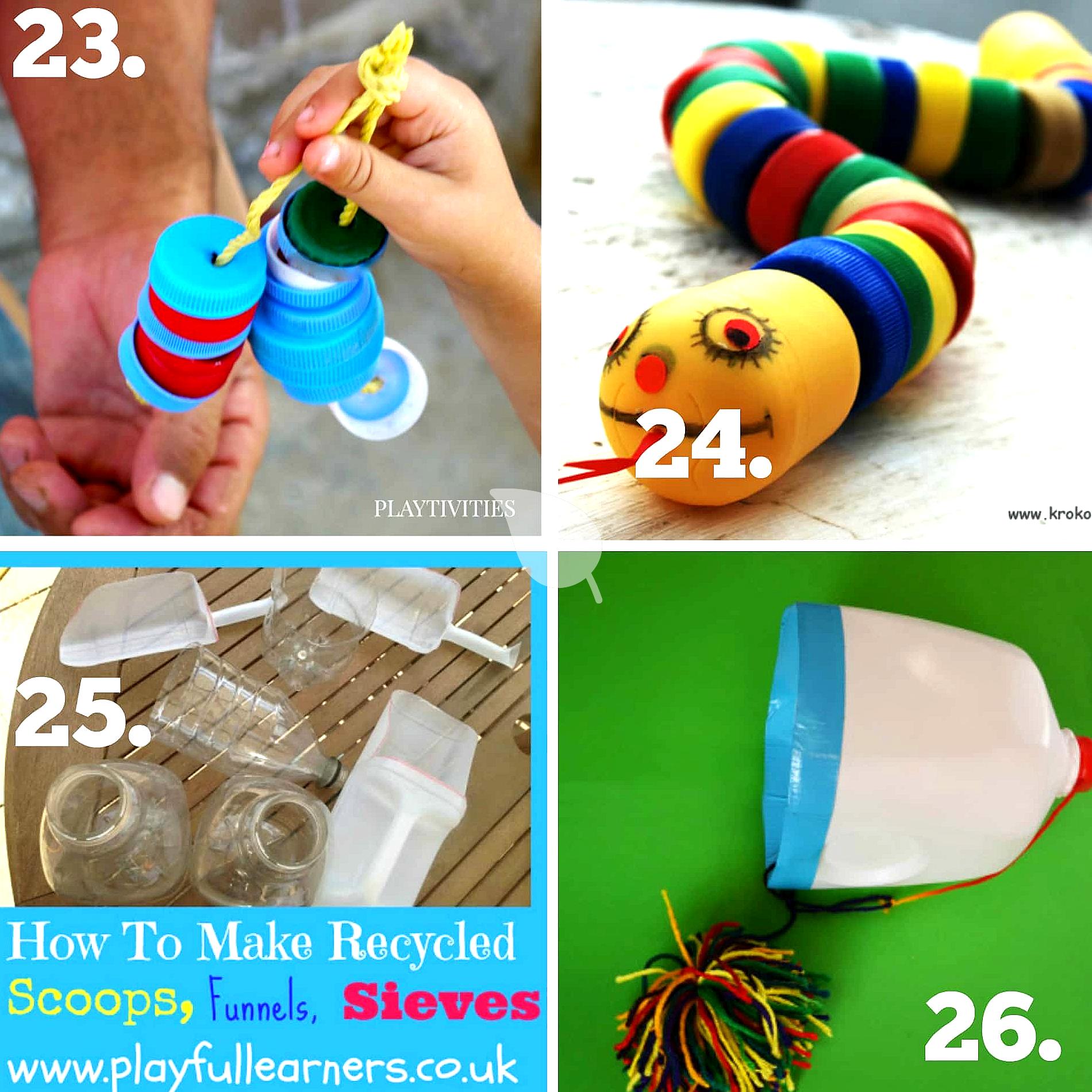
Practical Tip: Write a short checklist for yourself next time you shop:
- What’s it made of?
- Who made it and where?
- Is it age-appropriate and sturdy?
- Can I clean it easily?
- Are there clear safety labels?
Love Montessori-inspired play at home? Many handmade toys align beautifully with these principles!
Imaginative Play Ideas with What You Already Have
Here’s the secret sauce: You don’t need a sprawling toy collection for rich, creative play. In fact, handmade toys for toddlers become even more magical when you mix them with simple household props.
Pairing Toys with Household Props
- Scarves: Instant capes, picnic blankets, or ocean waves for wooden animals
- Cardboard Boxes: Boats, cars, or secret hideouts
- Kitchen Utensils: Spoons as microphones, mixing bowls as drums
Example Invitation to Play: Lay out a small blanket, place a few wooden animals and blocks, then add a couple of scarves and a cardboard tube. Suddenly, your toddler’s ‘safari’ adventure begins - with the animals marching through tunnels, hiding under leaves, and singing songs. Tomorrow, the same set transforms into a ‘zoo’ or even a birthday party for the cotton doll.
Statistic:
Less can be more with open-ended toys and simple props. (Days With Grey)
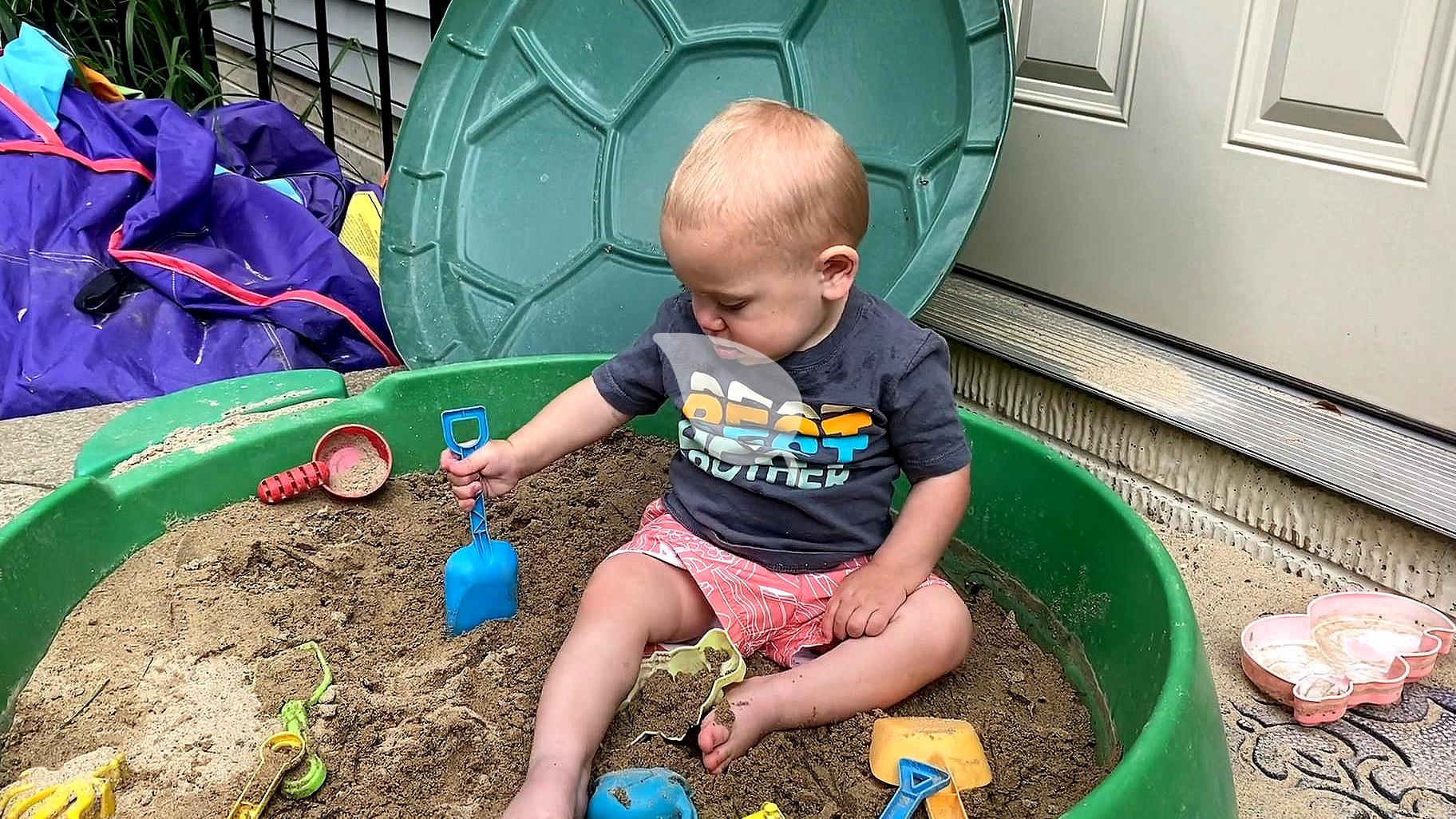
Parent Scenario: One mom noticed that when she simplified the toy selection and added a few kitchen items to the mix, playtime actually lasted longer. Her toddler invented new scenarios daily - with less cleanup for everyone.
For more eco-friendly ideas, check out eco-friendly swaps.
Action Steps: Building Your Toddler’s Handmade Toy Collection
Let’s turn inspiration into action. Here’s your step-by-step plan for transforming your toddler’s toy shelf:
1. Evaluate Your Current Toys
- Identify Versatile Toys: Which ones spark creativity, imagination, and skill-building? Keep the open-ended gems.
- Declutter: Donate or store away plastic, single-use, or battery-operated toys that rarely get played with. Fewer options lead to deeper engagement.
Scenario: A parent sets aside a pile of plastic toys and focuses on just a few favorites - wooden blocks, a cotton doll, and stacking rings. The playroom instantly feels calmer and more inviting.
2. Select 1–2 Handmade Toys from Our List
- Match Interests & Development: Does your child love animals, building, or pretend cooking? Pick toys they’ll naturally gravitate toward.
- Choose Safe, Eco-Friendly Options: Check for non-toxic, sustainable materials and clear maker transparency.
- Think Longevity: Choose items that will grow with your child for years of meaningful play.
Example: For a two-year-old who loves puzzles and pretend play, you might choose a wooden animal puzzle and an organic cotton doll.
3. Try a DIY Toy Project
- Start Small: Make a sensory shaker with your toddler, or help them decorate a treasure box from recyclables.
- Use What’s On Hand: Household items keep costs low and creativity high.
- Supervise & Encourage: Stay nearby for safety and let your child lead the exploration.
Result: Making a shaker bottle together creates not just a new toy, but a memorable activity you’ll both cherish. Soon, your toddler is inventing new ways to play: stacking, rolling, and shaking to their own rhythm.
Mistakes to Avoid When Choosing Handmade Toddler Toys
Even with the best intentions, it’s easy to stumble. Here are some common pitfalls and how to sidestep them:
- Buying Too Many Toys: A crowded play area can be just as overwhelming as a cluttered kitchen drawer. Focus on a curated, versatile collection rather than quantity.
- Ignoring Safety Labels: Not all homemade or artisan toys are created equal. Always check for clear age recommendations and non-toxic materials to avoid choking hazards or exposure to chemicals.
- Choosing Toys that Don’t Match Interests: That adorable felt sushi set might look amazing, but if your child is obsessed with animals, it could gather dust. Observe your toddler’s play patterns before buying.
Fixes:
- Regularly rotate and donate toys to keep your collection fresh and engaging.
- Ask questions and read reviews before purchasing from new makers.
- Notice which toys your child returns to again and again - these are your best clues!
Useful Resources and Tools for Parents
- Intentional Toy Checklist: Download our printable list of smart questions to ask when shopping - covering safety, eco-friendliness, and play value. It’ll save you time, money, and guesswork.
- DIY Toy Tutorials: Step-by-step guides for making safe, creative toys at home. Perfect for rainy-day projects or budget-friendly play upgrades.
- Eco-Friendly Toy Directories: Curated lists of online marketplaces specializing in sustainable, handmade toys. These resources make it easier to find trustworthy artisans and makers.
Real-Life Examples of Handmade Toy Play
Long-Lasting Engagement with a Wooden Puzzle
- Setup: Parents noticed their toddler returning to a handmade animal puzzle day after day, sometimes for weeks, finding new ways to play each time.
- Result: Their child’s fine motor skills and problem-solving blossomed, and screen time was dramatically reduced.
DIY Puppet Shows Spark Creativity
- Setup: One family spent an afternoon making a cardboard puppet theater and simple sock puppets together.
- Result: Storytelling bloomed, language skills improved, and the whole family found themselves giggling together every night after dinner.
FAQ: Handmade Toys for Toddlers
What toys encourage imaginative play for toddlers?
The best imaginative play toys are open-ended and versatile - think wooden blocks, puppets, and pretend food sets. These toys can be anything your child imagines: towers, animals, restaurants, or magical lands. Mixing in everyday items like scarves or boxes makes play even richer. The key is to choose toys that invite creativity rather than dictate exactly how to play.
Are wooden toys better for toddlers?
Wooden toys are generally more durable and eco-friendly than plastic. They offer a satisfying tactile feel and often use natural, non-toxic materials - great for safety and sensory exploration. What matters most is that finishes are safe and designs are age-appropriate, but yes, high-quality wooden toys are an excellent choice for toddlers.
How many toys should a toddler have?
Less is usually more! A small, intentionally chosen collection of open-ended toys is best. Pick toys that can be used in many ways and rotate them periodically to keep things exciting. For tips on keeping your toy collection small but engaging, see our minimalist playroom advice.
How can I make cheap toys for my toddler?
Use household items like boxes, bottles, and fabric scraps. Follow simple DIY guides for sensory bottles or puppets (see our DIY section above). Always supervise for safety, but you’ll be amazed how much joy toddlers find in homemade treasures.
Conclusion: Choose Handmade Toys to Spark Imagination and Growth
Handmade toys for toddlers aren’t just beautiful - they’re essential tools for nurturing creativity, independence, and development. By choosing a handful of unique, eco-friendly toys and mixing in simple DIY projects, you provide opportunities for open-ended, screen-free play every day.
A curated toy collection means less clutter, more focus, and deeper engagement. You’ll see your toddler invent stories, build worlds, and solve problems - all without needing a mountain of stuff or a single battery.
Even ordinary household items can become extraordinary props when paired with the right toys. Remember: it’s not about having the ‘perfect’ setup, but about creating space for your child’s imagination to bloom.
Ready to take the next step? Download our free Intentional Toy Checklist and confidently build your toddler’s collection - one meaningful plaything at a time.
Get Your Free Intentional Toy Checklist Now
What’s your favorite handmade toy for toddlers? Share your stories or questions in the comments - we’d love to hear how imaginative play looks in your home!
Tags
Join Our Mission
Support our conservation efforts and make a difference today.