It's late afternoon, and you're tiptoeing around mountains of brightly colored plastic toys. Your toddler is somewhere in the mess, but instead of being mesmerized, they're whining that they're bored. Again. You feel the twinge of guilt - maybe too much screen time lately? - and wonder, "How can I actually engage my child without spending a fortune or losing my mind?"
I've been that parent, shuffling through battery-operated toys that promised magic but only delivered flashes and beeps. But here's a secret: you don't need to be Martha Stewart or a Pinterest pro to create DIY handmade toys that actually keep toddlers entertained. All you need is a handful of everyday items and the willingness to get a little messy together. These homemade toys aren't just cheaper - they're more satisfying for both you and your little one. And honestly, the giggles you get when your child helps build their own toy? Worth every sprinkle of glitter and lost sock.
DIY handmade toys aren't just about saving money (though, trust me, your wallet will thank you). They're about sparking creativity, building real-life skills, and enjoying precious screen-free moments - together. This post is packed with easy, step-by-step projects that boost your toddler's skills, encourage bonding, and make playtime joyful again.
Why Choose Easy DIY Handmade Toys for Toddlers?
You know the drill - despite the overflowing toy bin, your toddler greets you with a dramatic sigh: “I’m bored.” And here’s the reality check: between 75% and 96% of parents worry about their kids’ screen time (Common Sense Media, 2023). If you’re nodding along, you’re not alone.
But here’s the good news: the best play doesn’t come from fancy gadgets. It comes from simple, easy DIY toys for toddlers made at home - often with what you already have. Our guide focuses entirely on fast, safe, and creative projects you can actually make, even if you can barely thread a needle. No art degree required!
Inside, you’ll find 12 beginner-friendly projects, clear safety tips for every age, and printable checklists to make prepping a breeze. Plus, you’ll discover why making toys together trumps buying more “stuff” every time.
If you’re itching for even more inspiration, check out our list of unique handmade toys for toddlers that spark wild imagination.
10 Easy DIY Toys for Toddlers to Make Together
Quick-Start Toy List
Let’s kick things off with a quick scan-and-go list of DIY handmade toys. These projects are perfect for busy parents who want results (and smiles) fast:
- Sensory Bottle: A plastic bottle filled with glitter, water, and sequins - just shake and watch the calming magic swirl.
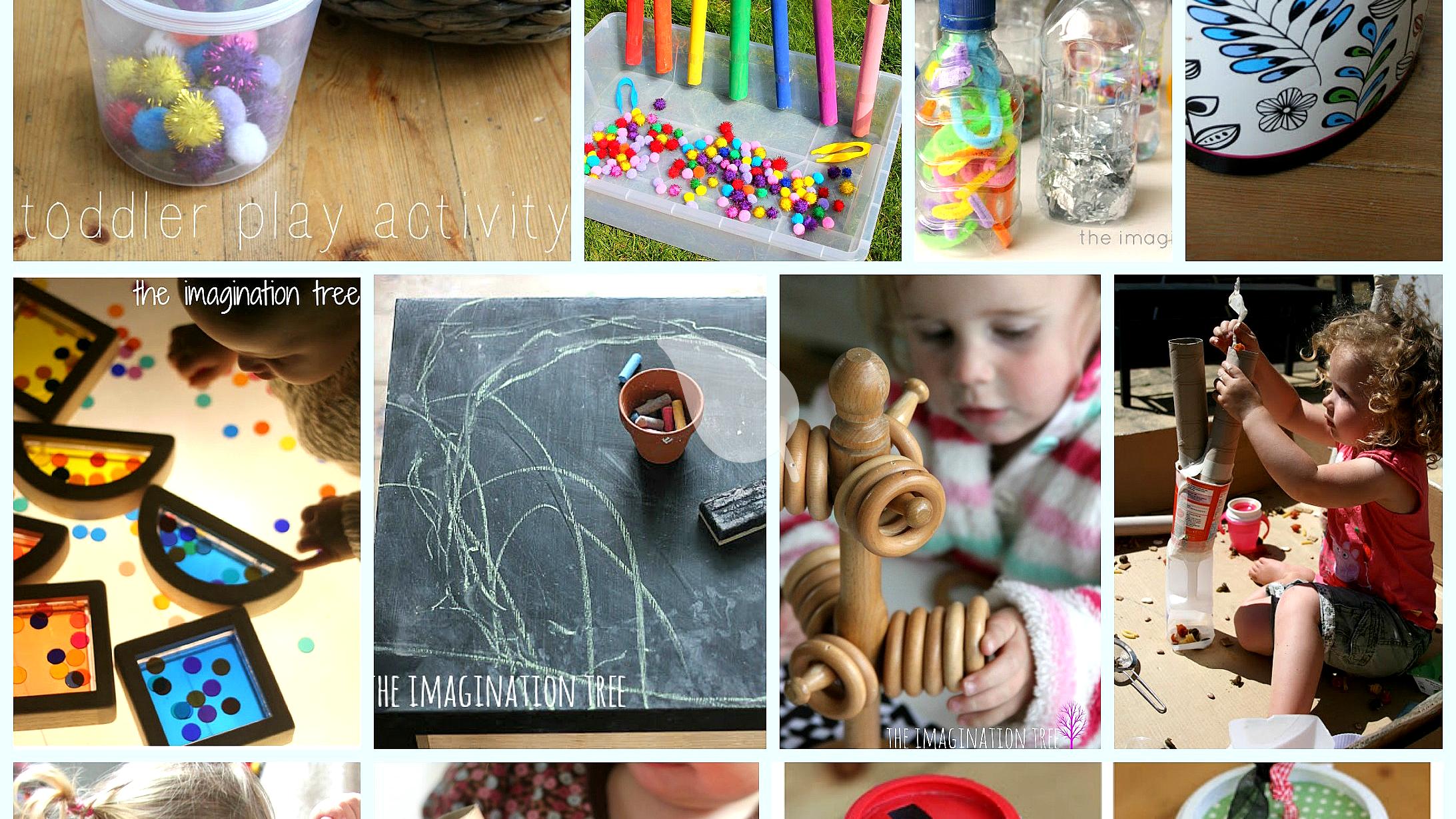
- Pom-Pom Drop Tube: Drop colorful pom-poms into a cardboard tube for hours of fine motor fun.
- Cardboard Playhouse: Transform a big box into a cozy space for pretend adventures.
- Treasure Box: Fill a sturdy box with safe, natural objects to invite tactile exploration.
- Posting Can: Drop large, safe items through a slot in a repurposed container - toddlers love the satisfying "plunk."
- Rice Sensory Bin: Dyed rice with scoops and cups for endless pouring, sifting, and sensory discovery.
- Sock Puppets: Turn mismatched socks into silly characters and jumpstart storytelling.
- Dress-Up Box: Old scarves and hats become instant costumes for role-play.
- Ball Run Ramp: Tape cardboard tubes to a wall for rolling balls and seeing cause and effect in action.
- Busy Board: Attach zippers, knobs, and switches to a board for hands-on exploration and hand coordination.
Here’s why these easy DIY toys for toddlers are so magical: they take minutes to set up, most use materials you already have, and your toddler can help make them.
Sensory Bottle
Fill a clean plastic bottle halfway with water, add a scoop of glitter and some shiny sequins, then tightly glue the lid shut with hot glue. Voila - your DIY handmade toy is ready. After a wild morning, toddlers love to shake the bottle and watch the glitter float down. Jodie Clarke, an early childhood educator, says, “Simple homemade toys using recycled and natural materials can offer rich sensory experiences and learning opportunities for babies and toddlers.”
Pom-Pom Drop Tube
Grab a cardboard tube (think paper towel or mailer), cut a slot near the top, and show your toddler how to drop in big, soft pom-poms. It’s the perfect fine motor workout - toddlers will happily drop pom-poms over and over, building focus and coordination. Case in point: one parent reported that recycled containers like this kept their child engaged longer than any battery-powered toy .
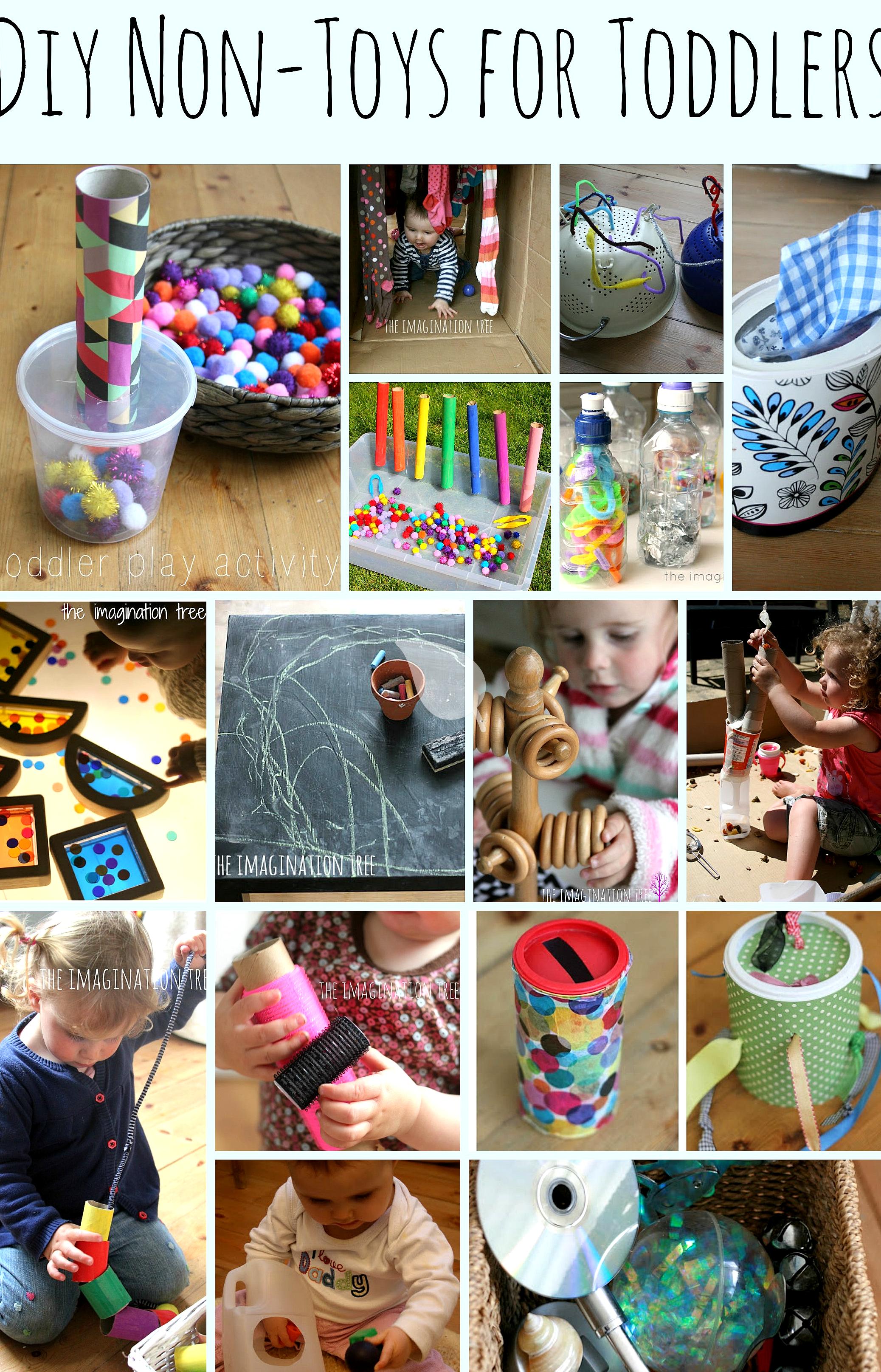
Safety Tip: Always use large, non-toxic materials - no marbles, beads, or small parts for under-threes!
Parents consistently find that toddlers engage longer and more deeply with "posting" toys made from safe, everyday items. There’s something endlessly satisfying about dropping, dumping, and repeating.
Next up, let’s break down step-by-step instructions for these and other sensory toys - plus exactly how your toddler can help.
Super Simple Sensory Toys Every Parent Can Make
Sensory play is a secret weapon - it calms fussy toddlers, sparks curiosity, and supports healthy brain development. The best part? You don’t need anything fancy. Here are three proven projects, with all the details:
Sensory Bottle
- Materials: Clear plastic bottle with lid, water, glitter, sequins, hot glue gun.
- Steps: Fill the bottle most of the way with water, add a generous pinch of glitter and sequins, then secure the lid tightly with hot glue to prevent leaks. Shake well, and let your toddler watch the sparkly magic.
- Toddler Role: Toddlers love pouring glitter and watching it swirl. Let them choose the colors, too!
Parents often notice that these sensory bottles work magic for calming after tantrums or busy outings. One mom shared that her daughter would sit mesmerized, watching the glitter float down for several peaceful minutes - a rare moment of stillness in a toddler's day. Jodie Clarke, an Early Childhood Educator, champions these homemade sensory toys for their incredible value in learning and soothing .
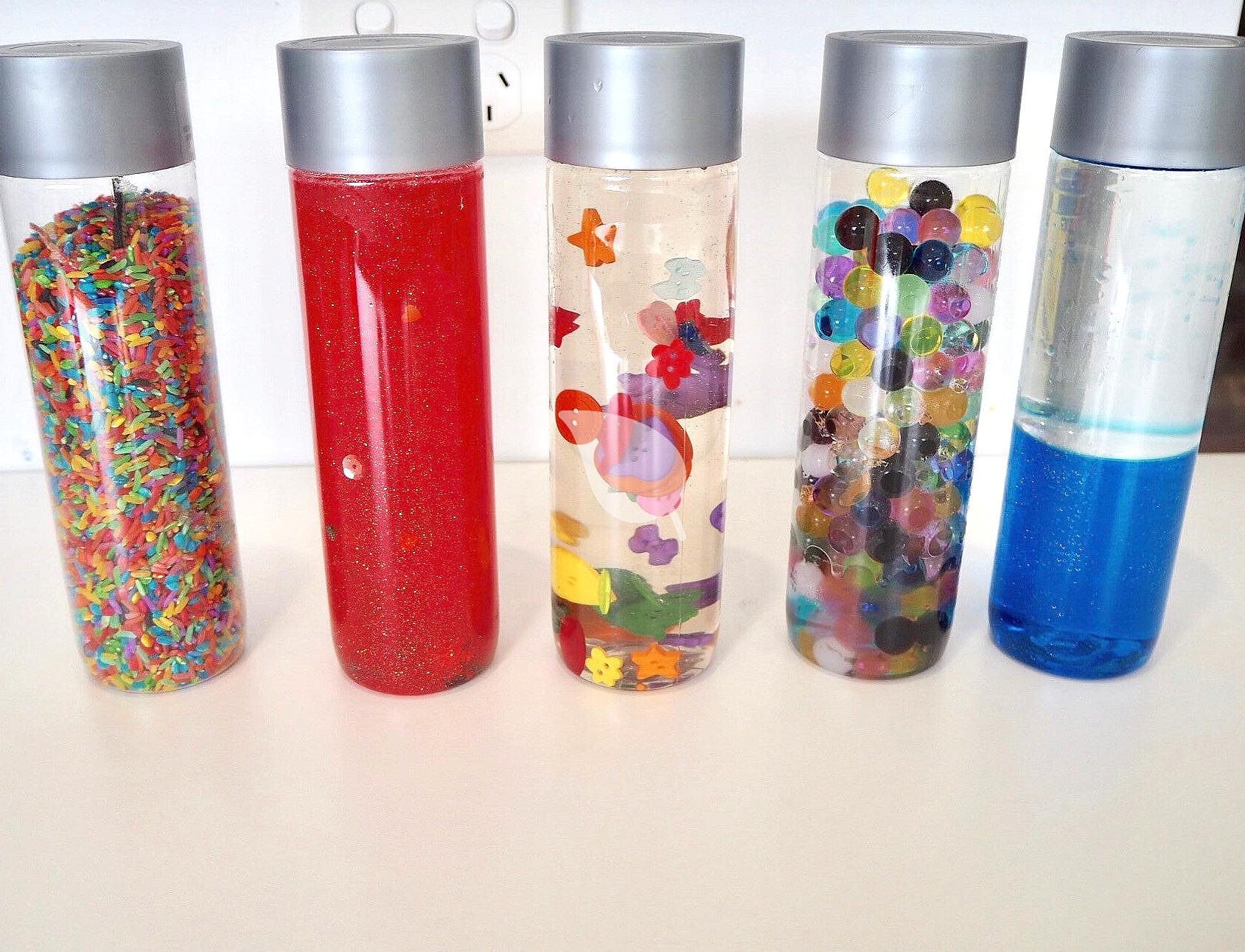
Safety Note: Always glue lids shut and supervise closely. Skip tiny beads for toddlers under three - large glitter works best.
Dyed Rice Sensory Bin
- Materials: Uncooked rice, food coloring, a big plastic bin, scoops, and small cups.
- Steps: In a zip bag, pour a cup of rice and mix with a few drops of food coloring. Shake until colored, then dry on a tray. Repeat for different colors. Once dry, dump into a bin and add scoops and cups.
- Toddler Role: Toddlers can help pour and mix the rice. Later, they’ll love scooping, pouring, and burying small (safe) objects.
Colored rice offers a powerful sensory experience - bright, soft, and endlessly pourable. It’s a proven way to encourage dexterity and coordination. Research shows unstructured play like this supports creativity and self-regulation (Raising Children Network).
Homemade Playdough
- Materials: 2 cups flour, 1 cup salt, 1 cup water, food coloring.
- Steps: Mix flour and salt in a bowl. In a separate cup, add food coloring to water, then pour into dry mix. Stir well and knead until soft. Store in a sealed container.
- Toddler Role: Toddlers adore squishing, rolling, and picking colors for their playdough. It’s safe if a little ends up in their mouth (but always supervise!).
Letting kids mix, squeeze, and shape their own dough helps develop both fine motor skills and creativity. And the best part? You can whip up a fresh batch whenever the old playdough inevitably dries out.
Switching gears, let’s check out toys that pack in even more fine-motor and problem-solving power.
Fine-Motor & Problem-Solving Toys to Boost Skills
Toddlers are wired to repeat actions - over and over. It’s not just persistence; it’s how they build essential fine motor and cognitive skills. Here’s how to channel that energy into toys that really deliver:
Posting Can
- How-To: Take a clean coffee can or oatmeal container with a plastic lid. Cut a wide slot in the lid (big enough for a pom-pom, not coins). Offer large objects like soft pom-poms or jar lids for dropping.
- Why It Works: Grasping and dropping objects helps toddlers refine their pincer grip and hand-eye coordination. Plus, hearing the "plunk" is just plain fun.
In one case study, parents found their toddlers repeatedly engaged with homemade posting toys, showing delight and concentration as they mastered the simple action. Coins are a choking risk, so always stick with big, soft objects.
Pom-Pom Drop Tube
- How-To: Fasten a cardboard tube to a wall or door using painter’s tape. Provide big pom-poms or soft balls to drop through the tube. Watch as they tumble out the bottom!
- Why It Works: This activity builds focus, understanding of cause and effect, and a sense of accomplishment. Toddlers love to experiment: what happens if I drop two at once? Or a different color?
Straw or Pipe-Cleaner Posting
- How-To: Use a colander or an empty egg carton. Cut holes if needed. Show your child how to poke through straws or pipe cleaners.
- Why It Works: Posting activities like these require precision and concentration, promoting fine motor control and even early sorting skills.
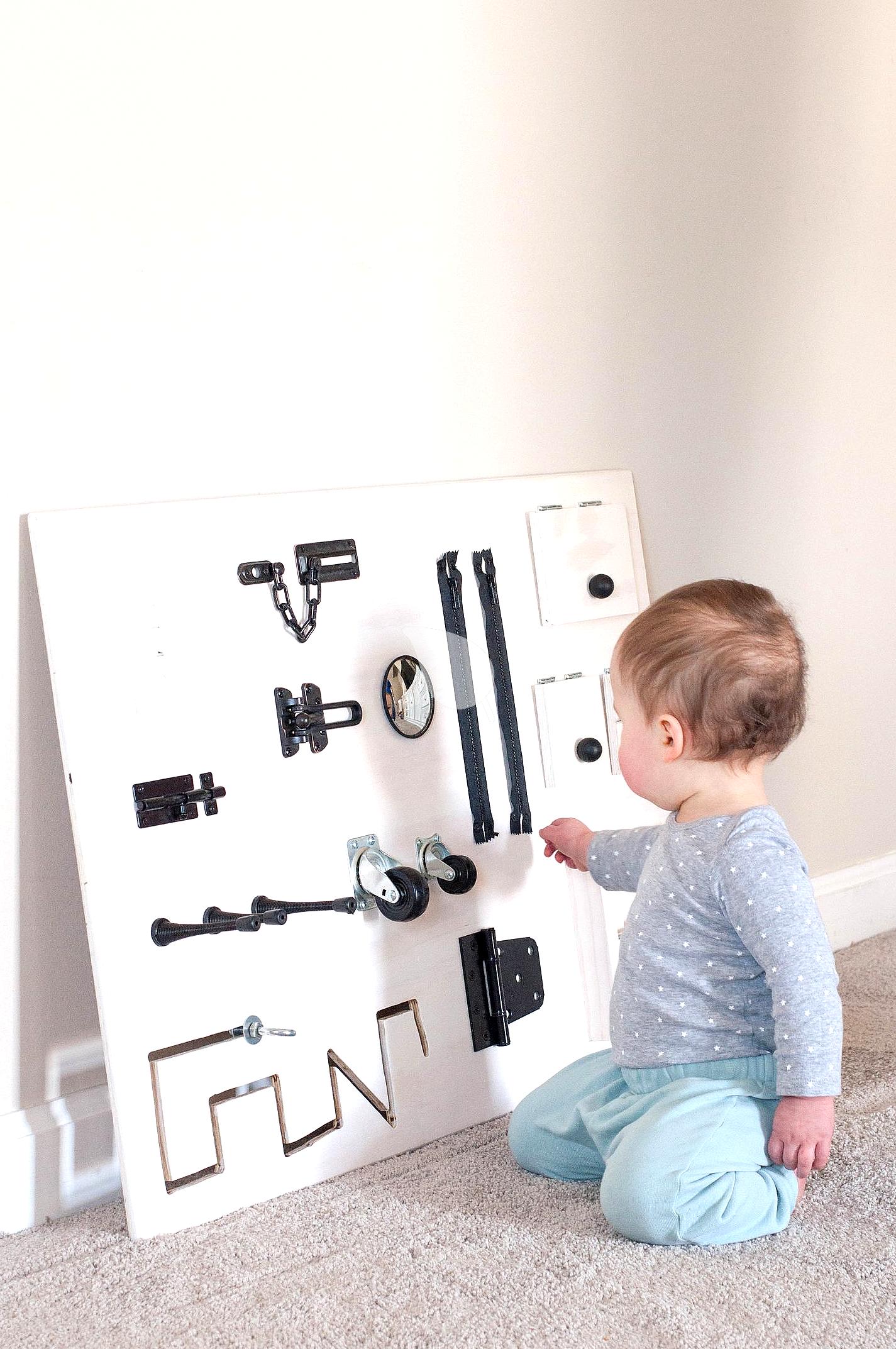
Warning: For busy boards and all fine-motor toys, keep small parts off-limits for under-threes. Secure all pieces tightly!
Busy boards are a fan favorite - toddlers get safe practice with zippers, knobs, and switches, just like the grown-ups. Alexa from Kid Activities with Alexa says, “Busy boards and other DIY fine motor activities give toddlers a safe way to practice everyday skills like turning knobs, opening latches and zipping zippers.”
Let’s kick up the scale next with cardboard creations big enough for epic adventures.
Big-Play Imagination Toys from Cardboard
Sometimes, bigger really is better - especially with toddlers. Cardboard boxes transform into castles, post offices, or rocket ships in a flash. Here’s how:
Cardboard Playhouse
- How-To: Find a large box (appliance or delivery boxes are perfect). Cut out windows and a door. Hand over crayons, washable markers, and stickers so your child can decorate the inside and out.
- Why It Works: A cardboard playhouse is a blank canvas for pretend play. Toddlers can host tea parties, play house, or become pirates - all in their very own space.
One parent told me their child spent hours in a cardboard playhouse, hosting "picnics" for stuffed animals and using the walls as a giant coloring book.
Cardboard Post Box
- How-To: Take a medium box and cut a slot in the top. Provide large, colorful envelopes to "mail." Decorate the box with labels and let your toddler practice posting and retrieving letters.
- Why It Works: This simple toy builds fine motor skills and early literacy, plus it’s a natural way to start conversations about mail and communication.
Ball Run Ramp
- How-To: Tape cardboard tubes or ramps along a wall or the side of a box. Provide soft balls or pom-poms. Watch as your toddler learns to predict and experiment with how objects roll.
- Why It Works: It’s early STEM in action - cause and effect, physics, and problem-solving, all rolled into one.
Tip: Use non-toxic crayons and washable stickers for easy cleanup. Cardboard playhouses can get messy, but that’s half the fun!
Expert insight: “Children don’t need expensive toys. A cardboard box and some imagination can be just as engaging and better for their development.” - Raising Children Network editorial team
Ready for some cozy, creative projects that nurture language and stories? Here we go.
Cozy Creative Toys: Puppets, Treasure Boxes & Dress-ups
Not every DIY toy needs to be big and boisterous. Some of the richest play happens curled up on the rug, telling stories or exploring a treasure box together. These homemade toys for toddlers invite language, imagination, and connection.
Sock Puppets
- How-To: Grab a clean, mismatched sock. Add big felt eyes, a ribbon for a mouth, and maybe some yarn hair - glued on with non-toxic glue.
- Why It Works: Sock puppets come to life in your child’s hands and encourage storytelling, back-and-forth conversation, and role-play.
Supervised, even the youngest toddlers can help glue big features or pick colors. These puppets become the stars of silly shows or bedtime stories.
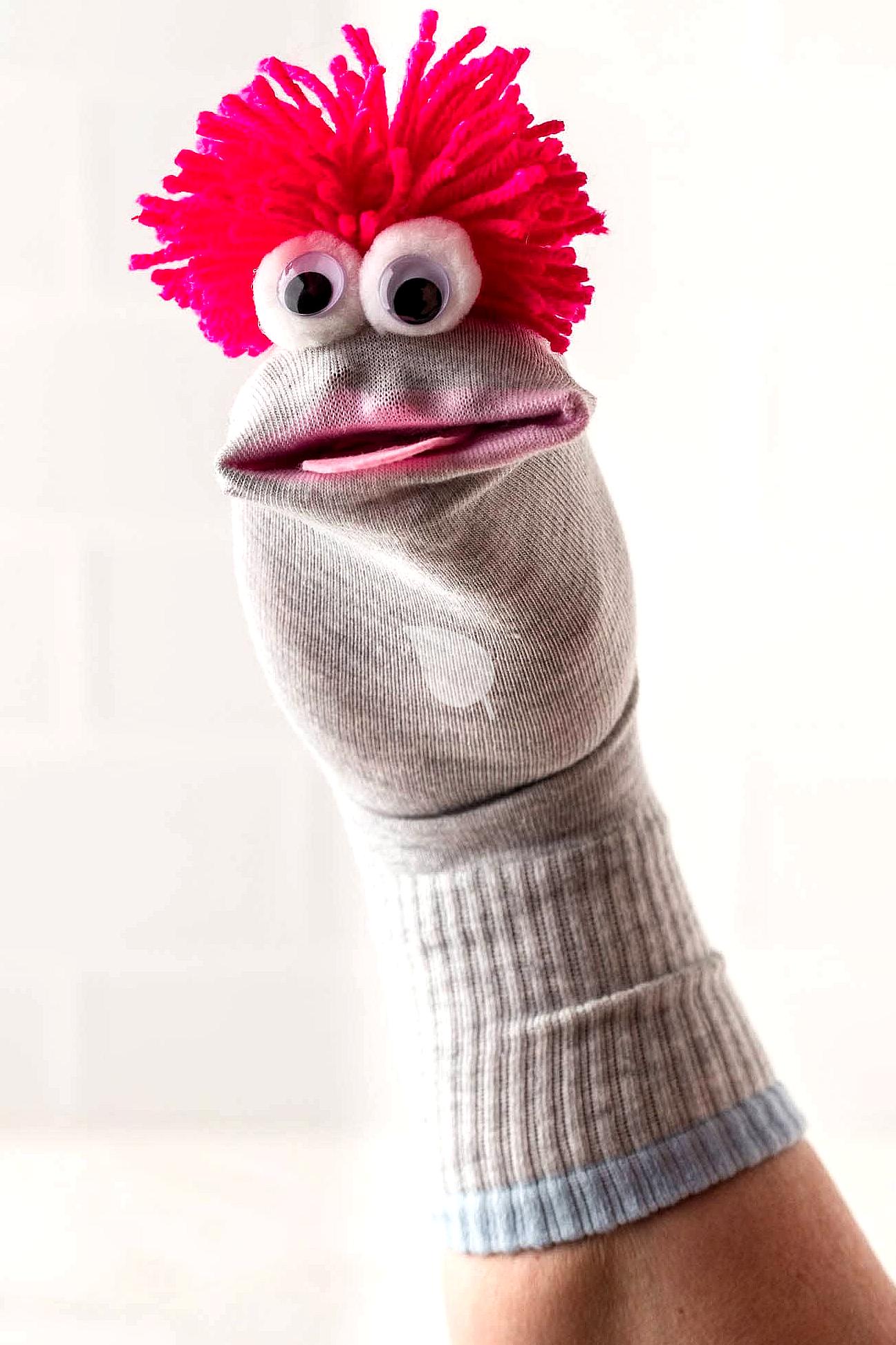
Safety Reminder: Use only large decorations and make sure they’re glued on securely. Skip buttons and beads for the under-three crowd!
Treasure Box
- How-To: Find a sturdy box and fill it with safe, interesting items: big pinecones, textured fabric scraps, chunky wooden spoons, large smooth stones. Change up the contents weekly to keep it fresh.
- Why It Works: Treasure boxes stimulate curiosity and descriptive language. One family reported that their toddler loved describing textures and colors, expanding their vocabulary naturally.
Dress-Up Box
- How-To: Fill a large bin with scarves, hats, and simple costumes. Encourage your child to dress up and invent characters or scenarios.
- Why It Works: Dress-up is the ultimate creative play. It promotes confidence, empathy, and self-expression - while keeping things cozy and fun.
In one case study, homemade treasure boxes were found to support pretend play and language development, as toddlers spent longer, more focused sessions exploring the changing contents. Rotate items regularly for new discoveries.
Now, for parents seeking a little more structure, Montessori-inspired trays offer a path to peaceful, focused play.
Montessori-Inspired DIY Trays & Activities
You don’t need to send your child to an expensive Montessori school to capture the benefit of calm, purposeful play. Montessori-inspired DIY trays are simple, focused activities that toddlers can repeat, building independence and essential skills.
Simple Sorting Trays
- How-To: Fill a shallow tray with large colored beans or big buttons (stay away from anything small). Set out two bowls and show how to sort by color or size.
- Why It Works: Sorting develops attention to detail, matching skills, and fine motor control. Toddlers return to this simple activity again and again.
Pouring and Transferring
- How-To: Place two sturdy cups and a big spoon or scoop on a tray with dry beans or water. Show your child how to transfer contents from one cup to another, using both hands.
- Why It Works: This builds hand control and concentration - the bedrock of so many later skills!
Posting Toys
- How-To: Set up trays with containers that have wide slots and large objects to post (think soft bottle caps or big wooden disks).
- Why It Works: Repeating posting actions builds confidence and coordination. It’s so satisfying, toddlers will want to do it again and again.
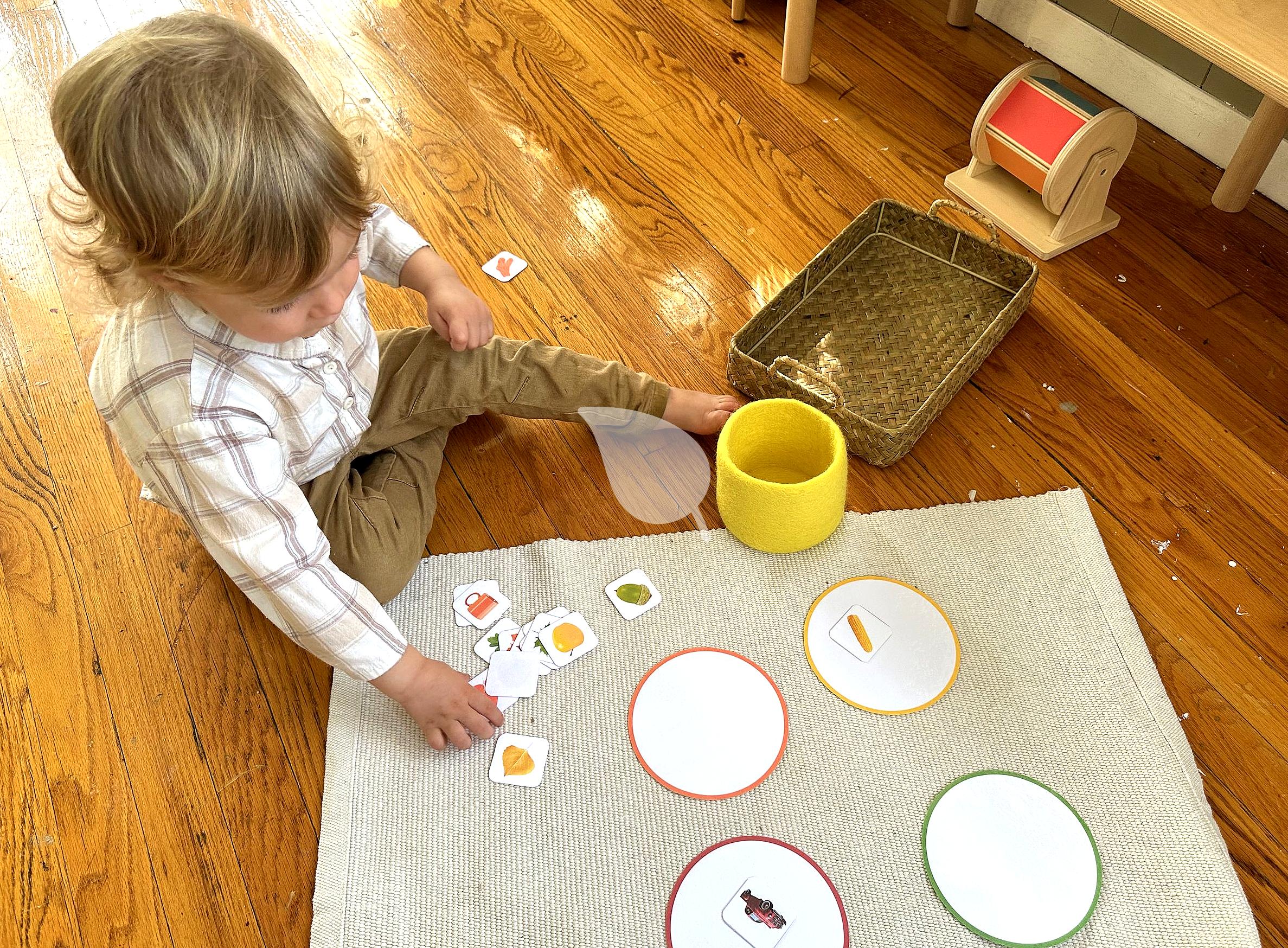
Tip: Rotate trays each week to keep things fresh. Parents often report calmer mornings when there’s a set "DIY toy time" on the calendar.
Expert Alexa (Kid Activities with Alexa) notes, “These activities support concentration, fine motor skills, and independent learning. You’ll be surprised how often toddlers return to them, mastering new skills each time.”
Still with me? Let’s tackle the real secret to making DIY toy time work - turning it into a simple, joyful routine.
Make DIY Toy Time a Simple, Fun Routine
Turning DIY handmade toys from a random idea into part of your family rhythm doesn’t have to be complicated. Here’s how you can build a play routine that works for real life:
-
Set a Weekly Craft Day
- Pick a regular day (Saturday mornings are great) and declare it "family craft hour." Make and play with a new homemade toy - or rotate old favorites.
- This little ritual creates anticipation, and toddlers quickly look forward to it. The key? Keep it low-pressure and flexible - skip a week if you’re not feeling it, no guilt!
- Example: One family started "Saturday Craft Hour" and found their child would gather supplies in advance, eager for what was coming next.
-
Prepare a DIY Toy Box
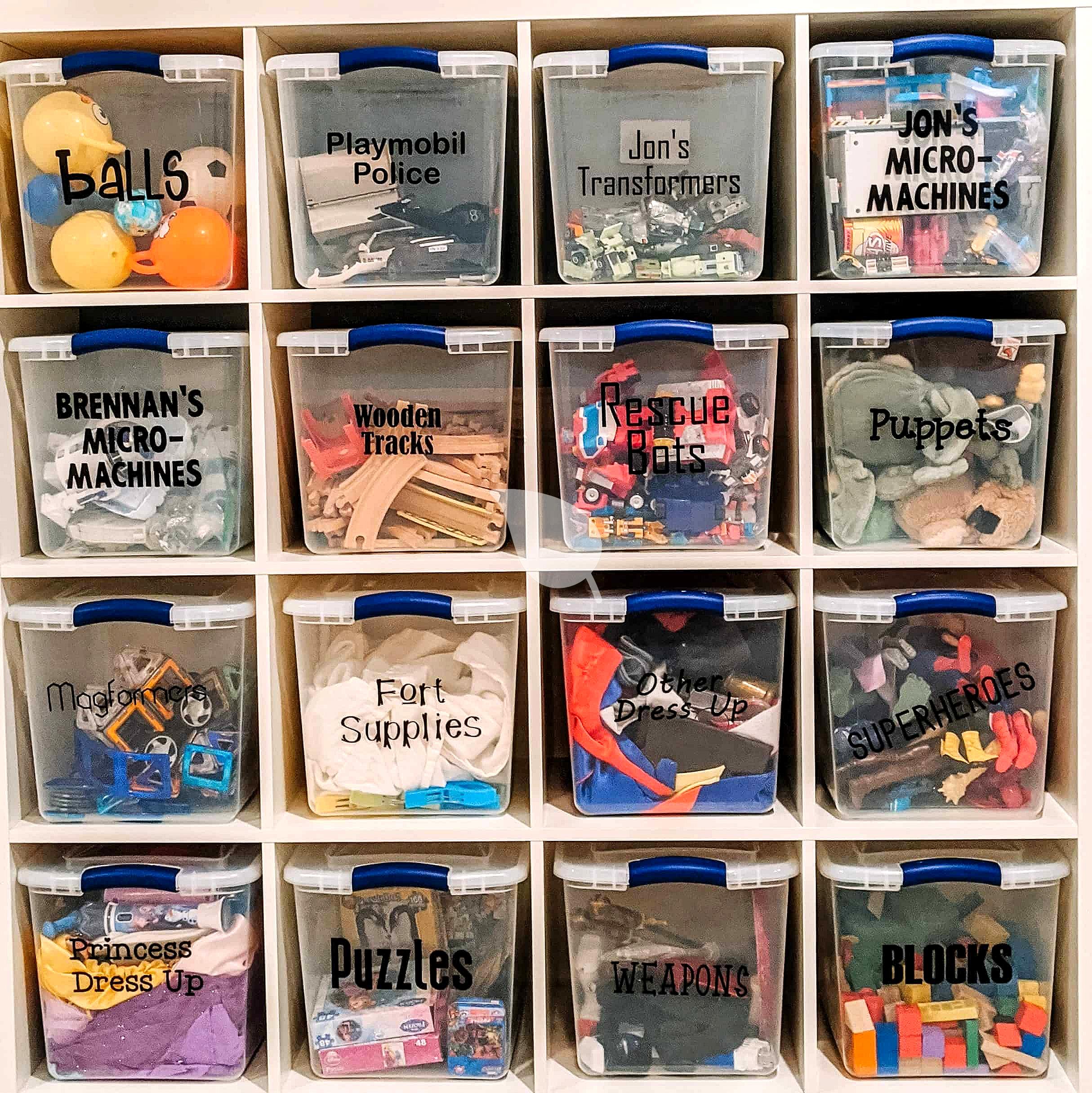
- Designate a labeled bin just for DIY supplies - cardboard, tape, non-toxic glue, big pom-poms, rice, and safe odds and ends. This makes grabbing what you need fast, without a last-minute scramble.
- Avoid hoarding; only keep materials that are clean and age-appropriate.
- Example: A clear box with tape, scissors, cardboard tubes, and a couple of small bins for rice and pom-poms is all you need to get started.
-
Rotate Toys Regularly
- Each week, swap out a couple of homemade toys to keep things exciting. Too many toys at once leads to overload and, ironically, less play.
- Example: Rotate through sensory bins, posting cans, and dress-up boxes using a simple calendar or just your memory.
Common Mistakes to Avoid
Even the best intentions can lead to some rookie mistakes when making DIY handmade toys. Here’s what to watch for - plus how to dodge the pitfalls:
- Using small parts for toddlers under three years old
- Small pieces are a genuine choking hazard. Always select large, non-toxic items and keep a watchful eye on your little one. Supervision is non-negotiable.
- Trying overly complicated projects
- Overly ambitious crafts almost always end in frustration and half-finished messes. Stick to projects with minimal materials and ten minutes or less of prep.
- Not involving your toddler in making the toy
- When parents do all the work, it’s just another toy. When toddlers help - even in tiny ways - they take ownership and learn more from the process. Assign age-appropriate steps like pouring, stirring, or decorating.
Tools and Resources for Easy DIY Toys
Having the right tools makes DIY handmade toys much more enjoyable (and safe). Here are a few parent must-haves:
- Scissors with rounded tips: Perfect for cutting cardboard and fabric safely. They prevent accidents and let you snip as you go.
- Non-toxic glue sticks: Safe for both adults and little hands. These make sticking on decorations a breeze, minus the fumes.
- Printable project cards: Having step-by-step guides at your fingertips (literally) means you can quickly glance at the next step without losing your toddler’s attention. Download our free cards to keep your sanity!
Real-Life Success Stories
Recycled Containers for Skill Building
Parents repurposed coffee cans and egg cartons to create posting toys. Their toddlers were captivated - repeating the drop-and-plunk action over and over, showing steady improvement in hand-eye coordination and focus.
Montessori Trays in Early Childhood Centers
Early years educators introduced DIY Montessori trays using beans and scoops for pouring and transferring. The children engaged deeply and, over time, developed stronger fine motor and problem-solving skills.
Treasure Boxes for Language Development
One family created a treasure box with safe natural finds like pinecones, shells, and textured cloth. Their toddler spent longer, richer play sessions exploring and describing the items, naturally expanding their vocabulary.
Frequently Asked Questions
What are some easy DIY toys I can make for my toddler at home?
You can make sensory bottles using empty plastic bottles and glitter, cardboard playhouses from boxes, posting cans from coffee tins, and sock puppets. Most projects only require household items, a bit of creativity, and supervision.
How do I make homemade toys safe for toddlers?
Always skip small parts for kids under three - they’re a choking hazard. Use non-toxic materials, especially glues and paints. Secure lids on containers with hot glue or tape, and supervise all play and crafting sessions closely.
What simple parent–child craft projects can we do together?
Sensory bottles, sock puppets, and cardboard playhouses are all fantastic, collaborative projects. Let your toddler pour, mix, decorate, and make choices during creation - it's more fun for both of you!
How can I use household items to make toys for toddlers?
Repurpose cardboard boxes for playhouses and ramps, use plastic bottles for sensory bottles, and turn egg cartons or coffee cans into posting or sorting toys. The key is to look for sturdy, safe objects and let your child explore them.
What DIY toys help toddlers with fine motor skills and learning?
Posting cans build pincer grip, pom-pom drops help hand-eye coordination, and Montessori-inspired trays boost sorting and pouring skills. Each encourages repetition and skill-building, all while having fun.
Get Started with DIY Handmade Toys Today!
You don’t need to be crafty, rich, or endlessly patient to make DIY handmade toys that your toddler will love. These projects are easy, budget-friendly, and - most importantly - invite real connection. You’ll save money, reduce screen time, and give your child the priceless gift of hands-on, creative play.
Remember, safety comes first. Always pick large, non-toxic materials and let your toddler help with the safe steps. The more involved they are, the more they’ll play (and learn). Every little project is a chance for bonding and building essential skills.
Ready to make your next playtime a breeze? Download our printable DIY Toy Cards now, so whenever you hear, “I’m boooored,” you’re always just a quick project away from fun.
Let’s make playtime joyful, creative, and memorable - one homemade toy at a time.
Related reading: Check out our unique handmade toys for toddlers for even more inspiration, or explore Montessori-inspired toddler activities to keep the creativity flowing.
Tags
Join Our Mission
Support our conservation efforts and make a difference today.