Why a Bi-Weekly Savings Challenge is Key to Financial Freedom
Do you ever wonder why saving money feels like an uphill battle? You're not alone - most people struggle to set aside extra cash between paychecks. However, there's a proven method that transforms saving into an easy, rewarding habit: the bi-weekly savings challenge.
A bi-weekly savings challenge offers a simple, structured plan. By syncing savings with your pay schedule, you build discipline without feeling deprived. This post unpacks the benefits of this approach, steps to get started, and real success stories. Ready to discover how small, consistent steps can add up to financial freedom?
The Power of Small Savings
Imagine finally booking that dream vacation, buying your first home, or simply having peace of mind knowing your emergency fund is fully stocked. These goals often feel out of reach, but the secret is starting small and being consistent.
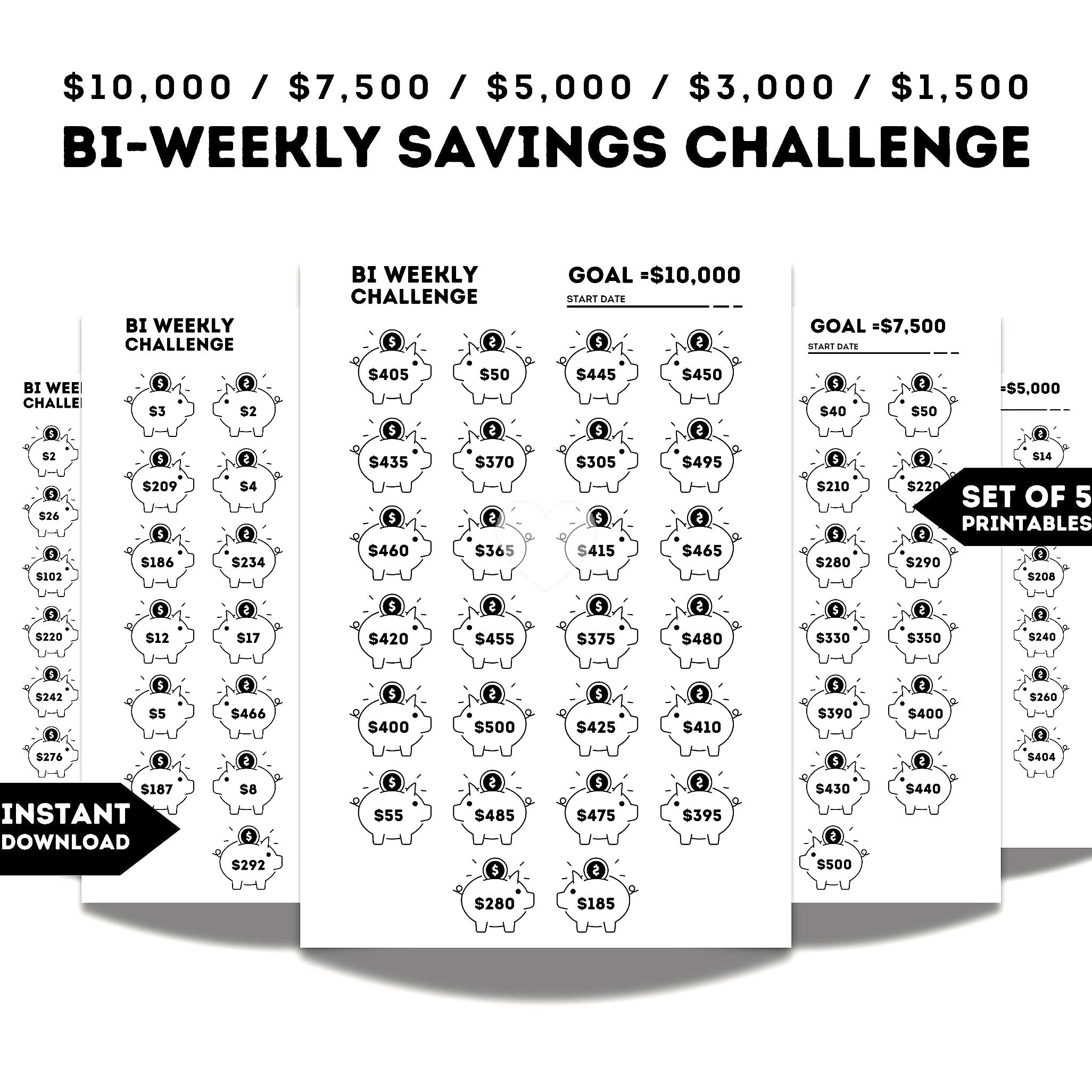
Did you know? The classic 26-week bi-weekly savings challenge can yield $1,755 over just half a year (Remitly). That’s no small feat for such an approachable routine! Even if your goals seem huge, breaking them into manageable, bi-weekly increments makes them possible.
In this guide, you’ll learn how to leverage the bi-weekly savings challenge to find financial independence. We’ll cover practical steps, share inspiring success stories, and introduce tools that can keep your momentum going. For those eager to take it further, you’ll also discover how to automate your savings so you never miss a beat.
Whether you’re paycheck to paycheck, aiming for wealth building, or trying to improve your money management, starting with small, bi-weekly deposits can be the game-changer you need.
Understanding the Bi-Weekly Savings Challenge
What is a Bi-Weekly Savings Challenge?
A bi-weekly savings challenge is a money management strategy where you commit to saving a set amount every two weeks - often aligned with your payday. This structured approach encourages regular contributions, helps you develop savings discipline, and supports long-term financial independence.
Bi-weekly savings challenges simplify the process of setting money aside between paychecks. Instead of feeling overwhelmed by monthly goals or sporadic deposits, you create a routine that’s easy to remember and stick to. For example, if you decide to save $50 every other week, you’ll have $1,300 tucked away after a year - without ever feeling deprived.
Why Bi-Weekly Works
- Aligns with Income: By matching your savings schedule to your paychecks, you avoid the stress of guessing how much you can afford at the end of the month.
- Builds Savings Discipline: The habit of setting money aside regularly reinforces positive financial behaviors. As you see your balance grow, saving becomes second nature.
- Makes Big Goals Manageable: Large financial targets - like an emergency fund or a down payment - are broken into smaller, easily achievable chunks. This reduces overwhelm and keeps you motivated.
Pull Quote: "Participants who automate saving are 42% more likely to reach their financial goals." - Chase
Case Study: A Family's Journey to Financial Independence
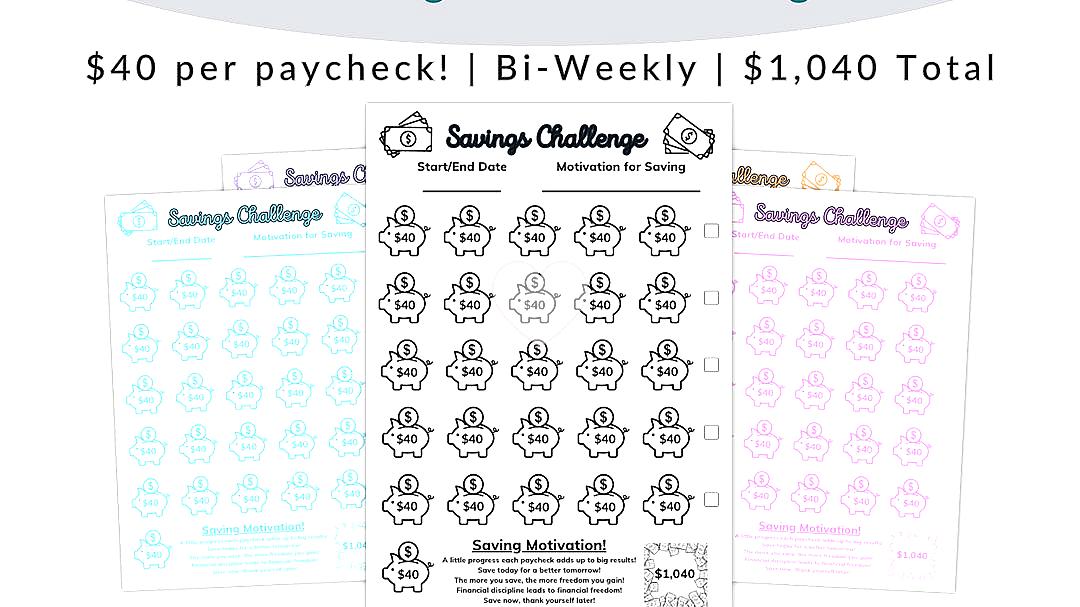
The Smith family decided to start with a simple bi-weekly savings challenge, automatically transferring $40 from each paycheck into a separate account. Over a year, they saved more than $1,000 and were able to cover an unexpected car repair without using credit. This experience built their confidence and inspired them to gradually increase their savings rate.
Pro Tip: For consistent results, consider automating your savings. Setting up a recurring transfer makes it easy to stick with your challenge, even if you forget.
[Quick Takeaway]
- Aligning savings with your pay schedule makes it easier to stay consistent.
- Regular, small deposits build powerful savings discipline over time.
- Even modest bi-weekly contributions add up to big results.
Now that you know how a bi-weekly savings challenge works, let’s explore how to choose the right method for your needs.
Choosing the Right Savings Challenge for Your Needs
Selecting the best savings challenge for your lifestyle can make all the difference. Not everyone has the same cash flow every month, so it’s important to tailor your approach.
Fixed vs. Percentage-Based Savings
There are two primary styles of bi-weekly saving:
- Fixed Amounts: This method is perfect for those with steady, predictable incomes. You simply decide on a set dollar amount to save every two weeks. For example, putting aside $25 each pay period, regardless of fluctuations in expenses.
- Percentage-Based Savings: If your income varies - such as if you freelance or work on commission - a percentage method provides flexibility. You might save 10–15% of whatever you earn each pay period.
How to Choose the Right Method
Before you start, evaluate your income stability:
- Stable Income: If your paycheck is the same each time, a fixed amount makes saving simple. You’ll know exactly what to expect, and it’s easier to budget.
- Fluctuating Income: Percentage-based savings allow you to adjust in leaner months but still make progress when you earn more. For instance, a gig worker saving 10% of each paycheck adapts seamlessly to changes in their finances.
As Stash explains, “Flexibility in saving cadence is key to making savings approachable for everyone.”
Here’s an example:
- Fixed Savings: If you save $30 every two weeks, you’ll reach $780 in a year.
- Percentage-Based: If you save 12% of each paycheck and your income averages $1,000 every two weeks, you’ll save $1,248 annually - but more in good months.
Budgeting Basics to Support Your Challenge
Budgeting provides the foundation for any savings plan. Track your expenses, set realistic targets, and review your progress regularly. If you’re new to budgeting, start with a simple spreadsheet or a budgeting app. For a helpful primer, see our budgeting basics.
Callout: Track your progress to stay motivated. Visualizing growth - whether in an app or on paper - provides an instant boost and keeps you on course.
[Quick Takeaway]
- Fixed savings work best for steady incomes; percentages are ideal for variable earners.
- Evaluate your pay pattern before choosing a challenge.
- Budgeting helps you stay on track and avoid overcommitting.
With your perfect method chosen, let's dive into tips for staying motivated and tracking your progress.
Staying Motivated: Tracking Progress & Celebrating Wins
Motivation is the engine that drives your savings journey. Without it, even the best plans can stall. That’s why tracking your progress and celebrating wins are essential parts of the bi-weekly savings challenge.
Tracking Tools and Techniques
Staying on course is much easier when you can see the results of your effort. Here’s how you can keep your momentum high:
- Use Apps or Spreadsheets: Digit, Mint, or a simple savings tracker spreadsheet all help you keep tabs on your growing savings. Apps can automate your tracking, send reminders, and even provide mini-celebrations when you hit milestones.
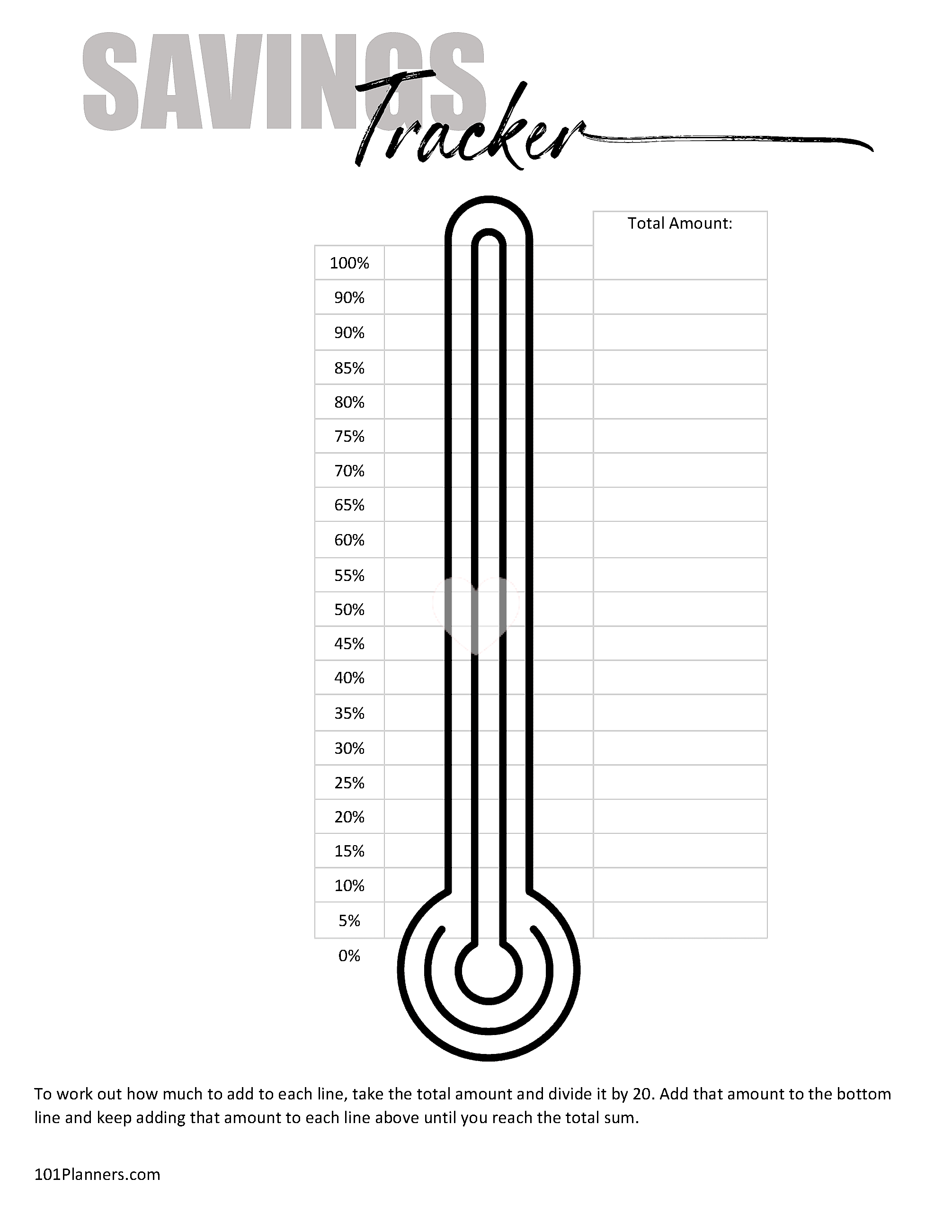
- Set Milestones: Break your ultimate goal into smaller achievements. For example, celebrate when you reach 25%, 50%, and 75% of your goal. Mark these on your calendar, or reward yourself with a small treat (not too extravagant, of course!).
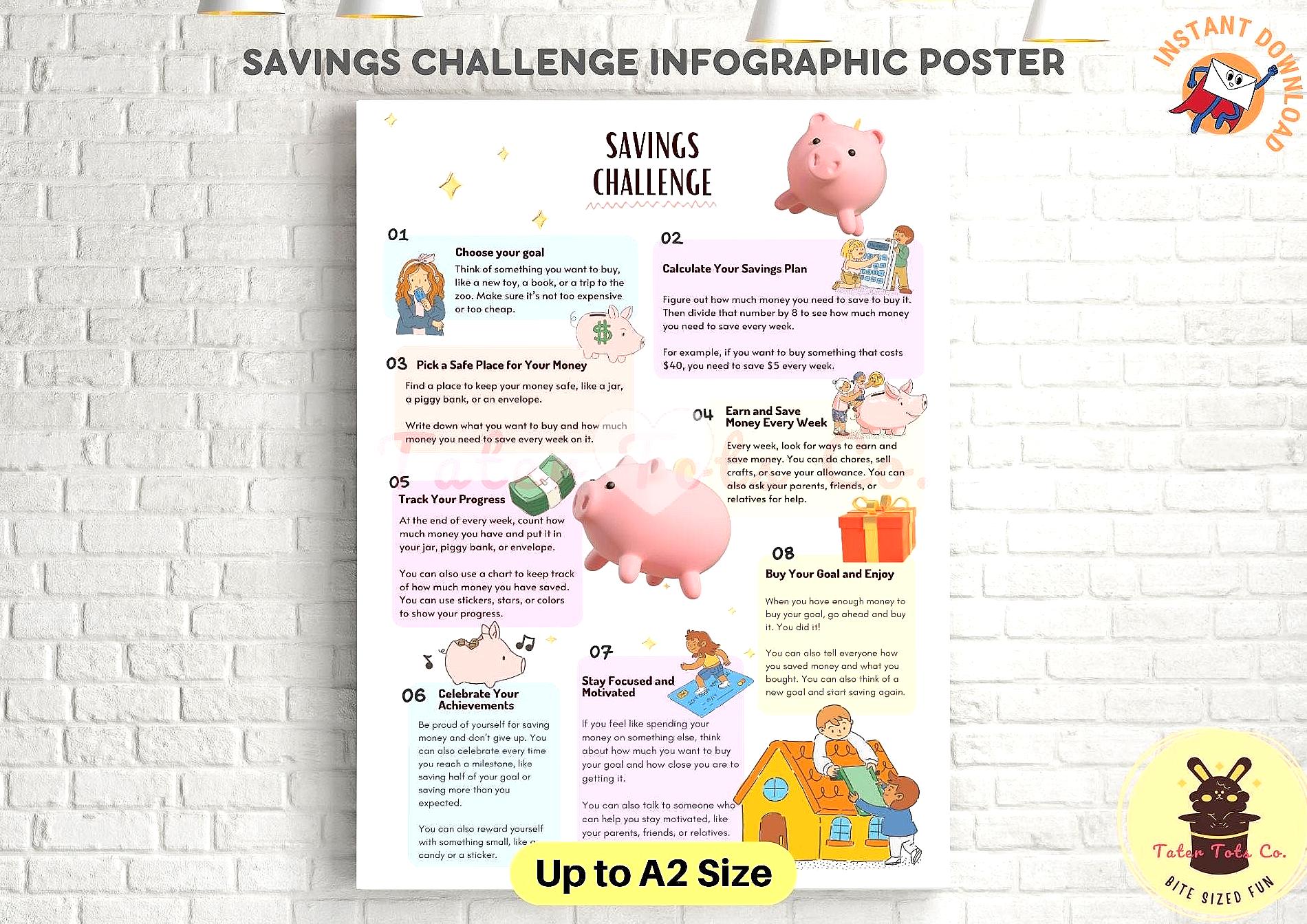
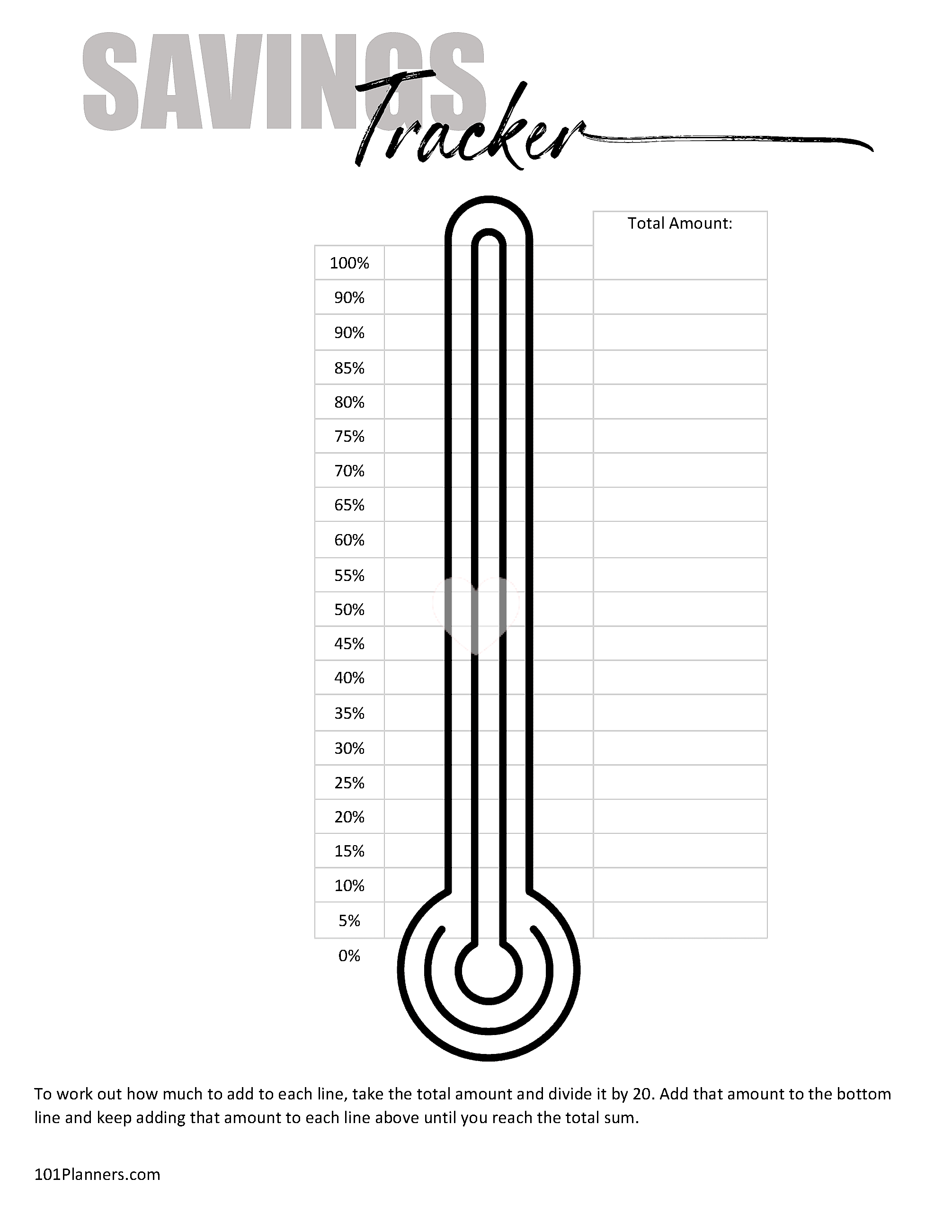
- Visual Trackers: Print out a chart or use a whiteboard to color in progress. The visual satisfaction reinforces your savings discipline.
Celebrate Small Victories
It’s easy to lose sight of your progress when you’re laser-focused on the final goal. However, regularly reviewing your savings helps reinforce positive behaviors.
For instance, when you reach 50% of your target, treat yourself to your favorite coffee or a movie night. This positive reinforcement keeps you motivated until you cross the finish line.
Expert Insight: “Small, regular contributions add up to significant savings over time. Consistency beats intensity.” - Karin Risi, Managing Director, Vanguard (Vanguard)
Mini Case Study: Successful Saver
Sara, a recent college grad, used an app to track her bi-weekly deposits. She set her first milestone at $250, then $500. Each time she hit a marker, she shared her progress with friends for accountability. By year's end, she saved $1,200 and gained confidence in her money management skills.
Callout: Consider using a visual or digital tracker for accountability. Sharing your progress with a friend or online community can further boost your motivation.
[Quick Takeaway]
- Use technology or printables to make progress tracking effortless.
- Celebrating milestones, big or small, keeps you motivated for the long haul.
- Consistency is more important than the size of each deposit.
With your motivation high, let’s explore how these small steps translate into long-term financial freedom.
From Savings to Financial Freedom
Building savings is about more than just reaching a specific dollar amount - it’s about creating lasting security and independence. Small, regular deposits from your bi-weekly savings challenge can transform your financial life.
Long-Term Benefits of Saving Bi-Weekly
- Easier Emergency Fund Building: By saving every two weeks, you can quickly build a safety net. No more relying on credit cards for unforeseen expenses.
- Wealth Building: Every deposit, no matter how small, compounds over time. Your savings can start earning interest, opening doors to investment and bigger goals.
- Reduced Stress: Knowing you have funds set aside for emergencies or opportunities greatly reduces financial stress.
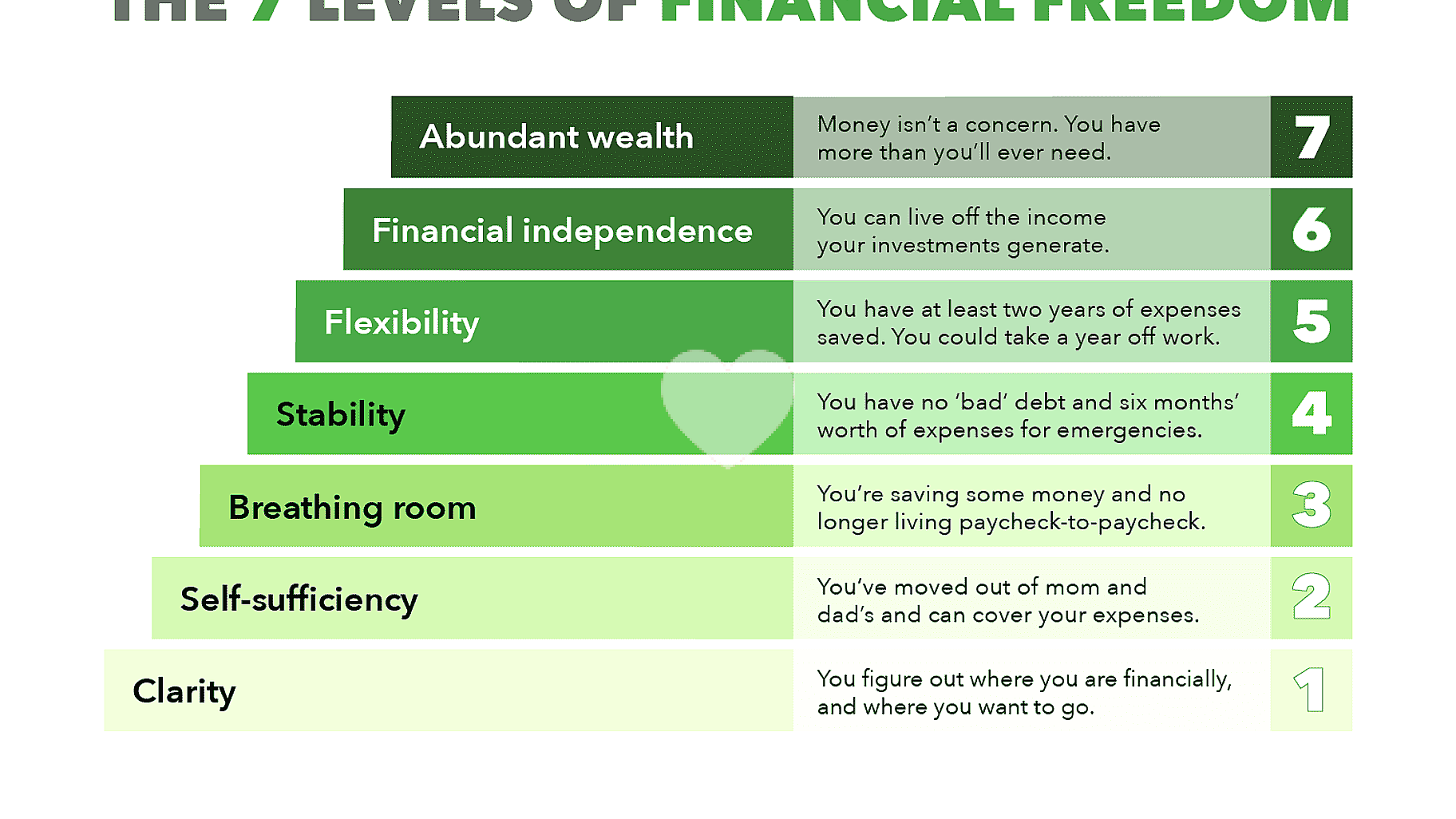
Why Bi-Weekly Saving Drives Independence
Regular savings deposits help you break the cycle of living paycheck to paycheck. As your emergency fund grows, you become less dependent on loans or credit in times of need. This is the first step toward financial independence - and ultimately, wealth building.
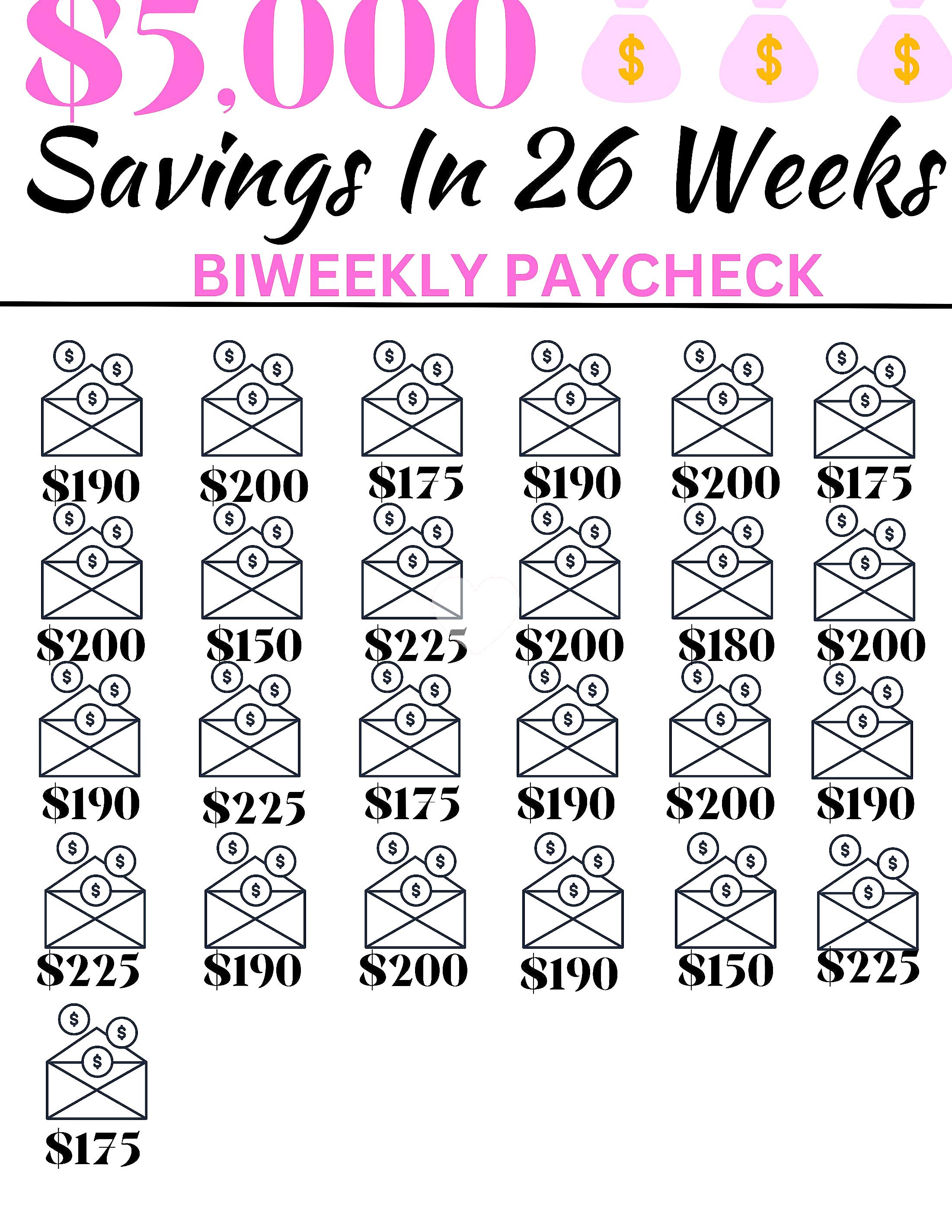
A real-world example: The Martinez family set an ambitious goal to save $5,000 for emergencies. By saving 15% of their bi-weekly pay for 18 months, they not only hit their goal but gained confidence and peace of mind. Now, they’re investing extra funds for future goals.
Pull Quote: "Small, regular contributions add up to significant savings over time." (Vanguard)
Pro Tip: Automate for Lasting Success
Once you’re comfortable with your challenge, consider automating your savings. Most banks let you set recurring transfers, taking one more task off your plate. For step-by-step help, check out our guide on automating your savings.
[Quick Takeaway]
- Bi-weekly saving creates a strong emergency fund and supports wealth building.
- Financial independence comes from consistent, small steps - automate for best results.
- With each deposit, you move closer to true financial freedom.
You’ve learned how bi-weekly savings challenges work and how they can transform your financial future. Now, let’s outline the action steps to get started today.
Action Steps for Your Bi-Weekly Savings Challenge
Use this proven, three-step process to launch your own bi-weekly savings challenge:
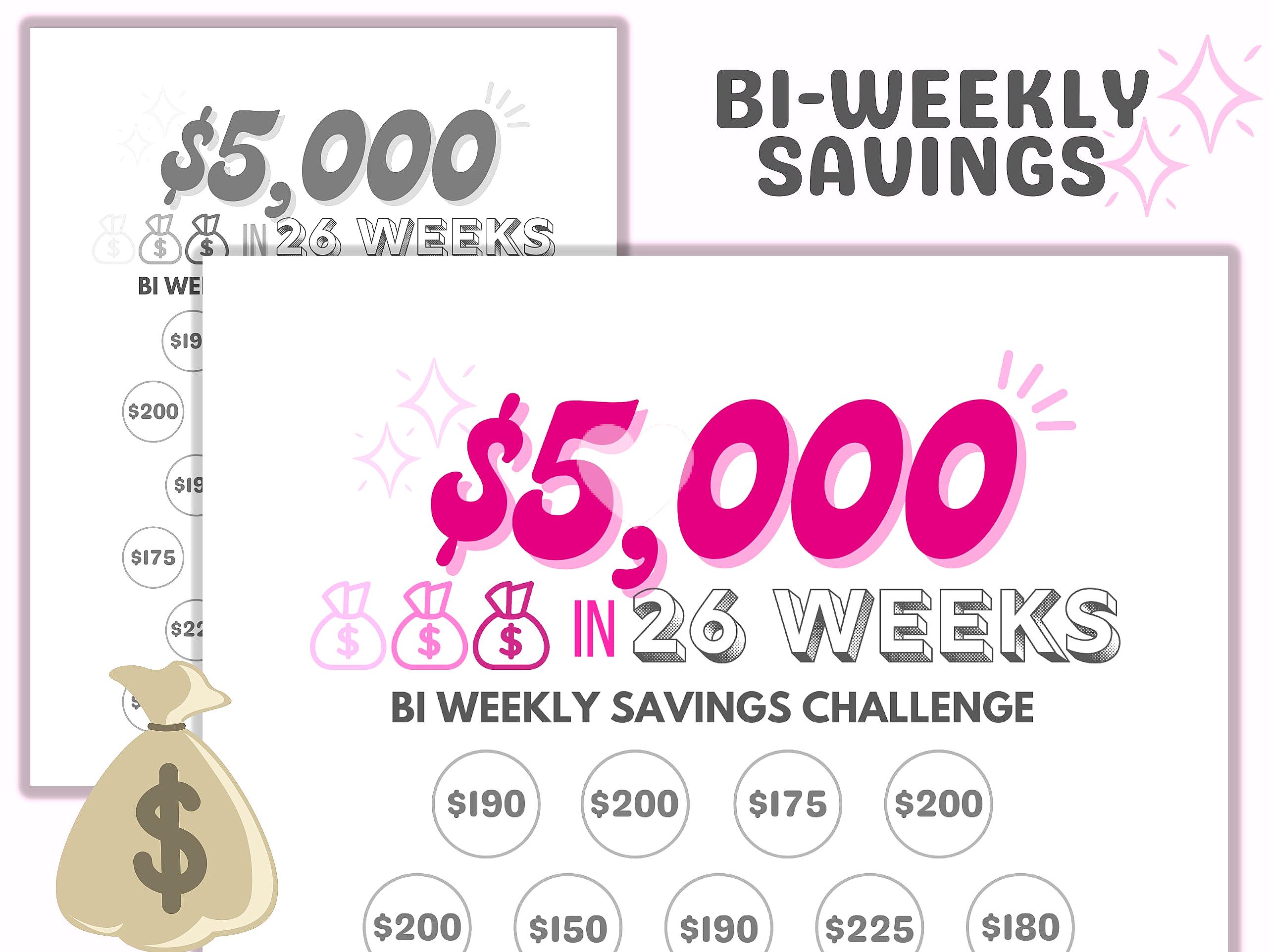
- Set Your Saving Amount
- Decide whether you’ll use a fixed amount or a percentage of your paycheck. Make sure your number fits comfortably within your budget.
- Avoid setting your target too high; it’s better to start small and adjust upward later.
- Example: If choosing a percentage, calculate 10% of your post-tax income and commit to transferring this amount every other week.
- Automate Your Savings
- Set up automatic transfers with your bank or use a savings app, so you never have to remember to move money manually.
- Consistency is crucial - automation ensures you hit your targets each period.
- Example: Enroll in your bank’s auto-save program, or use an app like Digit to sync with your paycheck schedule.
- Track Your Progress
- Use an app, spreadsheet, or printable chart to visualize your savings growth. Regular check-ins reinforce your discipline and help you celebrate milestones.
- Adjust your plan as needed - if you get a raise or extra income, consider increasing your deposit.
- Example: Set calendar reminders to review your savings progress monthly and reward yourself when you reach milestones.
Mistakes to Avoid
Even the best plans can get sidetracked by common mistakes. Here’s what to watch out for - and how to stay on course:
- Skipping Savings Weeks: Missing scheduled deposits can dramatically slow your progress. Fix: Commit to saving every other week, no exceptions. Consider automation to safeguard against forgetfulness.
- Choosing an Unrealistic Amount: Setting your savings target too high can lead to frustration and drop-off. Fix: Start with a manageable amount, then increase gradually as your confidence grows.
- Ignoring Progress Tracking: If you don’t track your savings, you lose sight of your achievements and risk abandoning your challenge. Fix: Use apps, spreadsheets, or charts to regularly check your progress.
Tools & Resources
Empower your challenge with these proven resources:
- Digit: An intelligent app that automates savings based on your spending habits. This makes saving nearly effortless, especially for those who prefer a set-it-and-forget-it approach.
- Mint: A free budgeting app that helps you set savings goals and track your progress. Perfect for beginners who want to get a handle on their finances.
- Savings Tracker Spreadsheet: Downloadable templates (search for “bi-weekly savings tracker spreadsheet”) let you manually log deposits and see your progress visually. Great for those who like tangible records and accountability.
Real-Life Examples
The Johnson Family's Savings Journey
The Johnsons started by saving $25 bi-weekly, gradually increasing their deposit by $5 each month. After a year, their discipline paid off: they built an emergency fund of $3,000. When an unexpected medical expense arose, they covered it without stress or debt.
Freelancer's Flexible Savings
Ashley, a freelance designer, used a percentage-based challenge. She set aside 15% of each fluctuating paycheck. Within a year, she built a $5,000 emergency fund - finally achieving the financial stability she craved during slow work periods.
FAQ
How does a bi-weekly savings challenge work?
A bi-weekly savings challenge means setting aside a fixed amount - or a percentage of your income - every two weeks. This routine builds a habit of regular saving, making it easier to reach your financial goals.
How much can I realistically save with bi-weekly saving?
The amount you save depends on your income and the method you choose. Even small, regular deposits - like $20 or $30 every two weeks - will add up over time. With a fixed approach, you’ll build a significant nest egg without feeling the pinch.
Can bi-weekly savings challenges help me reach financial freedom?
Absolutely! Consistent saving is the backbone of financial independence. By regularly putting money aside, you reduce your reliance on credit, build wealth, and create a safety net for the future. Over time, these small efforts compound, making financial freedom a real possibility.
Unlocking Financial Freedom with Bi-Weekly Savings
Bi-weekly savings challenges remove the guesswork and struggle from the saving process. By syncing your efforts with your pay schedule and automating deposits, you transform saving from a chore into a habit.
With every deposit, you’re not just building a cushion - you’re paving your path to financial freedom. These small steps, repeated consistently, unlock greater wealth and peace of mind. Whether your goal is an emergency fund, a vacation, or early retirement, the bi-weekly challenge makes it attainable.
Ready to take control of your finances? Start your bi-weekly savings challenge today and watch your confidence - and account balance - grow. Embrace small steps, celebrate your progress, and unlock the true power of saving.
Sign up for our newsletter for more savings tips and exclusive guides - your journey to financial freedom starts now!
Tags
Join Our Mission
Support our conservation efforts and make a difference today.